 Save
Save My coworker Sarah once brought a grain bowl to lunch that made the entire office smell like toasted sesame and fresh herbs, and I remember thinking, "Why have I been making the same sandwich every day?" That bowl was a revelation because she'd layered it with intention, swapping out ingredients based on what was in her fridge that week. I started experimenting the next day, discovering that the beauty of a grain bowl is that it's less a rigid recipe and more a permission slip to use what you have on hand. Now I find myself building these bowls almost by instinct, treating them like edible collages where nothing is wasted and everything tastes better when you've chosen it yourself.
There's a Tuesday I'll never forget when I made these bowls for my sister's book club, and she whispered afterward that it was the only meal in years where every single person at the table ate everything on their plate without complaint. Someone who "doesn't eat vegetables," someone allergic to gluten, a pescatarian, and a devoted carnivore all sat there building their own versions, trading toppings like kids at a lunch table. That's when I realized this wasn't just about convenience or nutrition—it was about giving people agency over their own food.
Ingredients
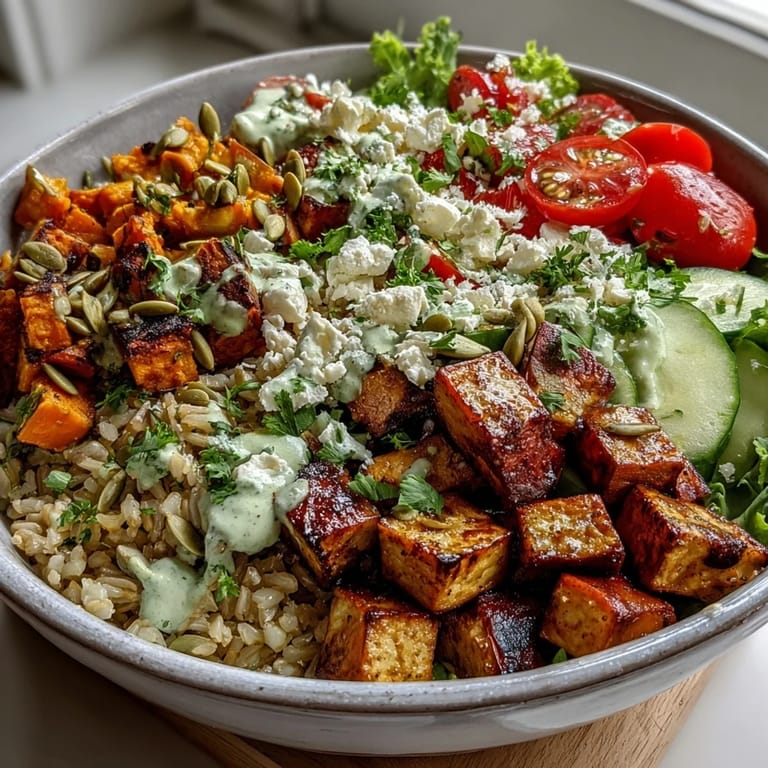
- Grains (choose 1–2): Brown rice is earthy and forgiving, quinoa brings a protein boost and nutty flavor, farro has a chewy bite that keeps things interesting, and couscous is your secret weapon for speed.
- Proteins (choose 1–2): Chicken is reliable and mild, tofu absorbs whatever flavors surround it beautifully, chickpeas add bulk and earthiness, and shrimp brings brightness if you want something lighter.
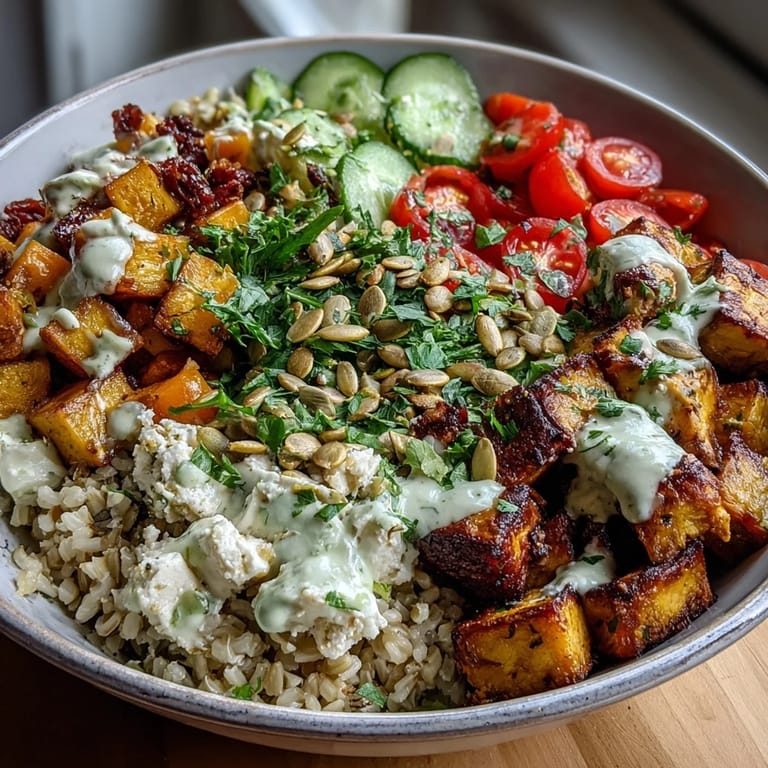
- Vegetables (choose 3–4, raw or roasted): Cherry tomatoes burst with juice, cucumber stays cool and crisp, sweet potato brings sweetness and substance when roasted until caramelized, broccoli gets nutty from heat, shredded carrots add crunch, and avocado is the luxury touch that makes everything feel intentional.
- Toppings & Extras: Feta adds a salty tang that ties everything together, toasted seeds and nuts provide texture and keep things from feeling monotonous, fresh herbs brighten the whole bowl in a way that feels like you know what you're doing, and sesame seeds are the finishing detail that makes it look like it came from a restaurant.
- Dressings (choose 1): Lemon-tahini is creamy and slightly tangy, balsamic vinaigrette is classic and won't overshadow delicate vegetables, soy-ginger gives you an Asian-leaning flavor profile, and green goddess is herbaceous and works with almost anything you throw at it.
Tired of Takeout? 🥡
Get 10 meals you can make faster than delivery arrives. Seriously.
One email. No spam. Unsubscribe anytime.
Instructions
- Cook your grains ahead if you can:
- There's something calming about making a pot of grain while you're prepping something else—the steam rising, the way the kitchen starts smelling substantial. Let them cool slightly so they don't wilt anything fresh.
- Prepare your protein with intention:
- Whether you're cooking chicken, roasting tofu, or cracking open a can of chickpeas, season it enough that it doesn't taste like an afterthought. Undercooked protein is forgettable; properly seasoned protein is the whole point.
- Wash and cut your vegetables with care:
- There's a meditative quality to chopping vegetables for a bowl—you're thinking about size consistency, about what will be pleasant to eat alongside everything else. Roast or steam what needs it until the edges just start to brown.
- Build your bowl in layers:
- Start with grain as your foundation, then add protein (it won't get lost), then vegetables arranged so you see everything. The visual matters because we eat with our eyes first.
- Top with texture and brightness:
- Sprinkle seeds, nuts, cheese, and herbs right before serving so nothing gets soggy or lost. This is where the bowl goes from nice to memorable.
- Dress it moments before eating:
- A bowl sitting in dressing is a sad bowl, but a bowl that gets dressed right at the table or right before you eat it is alive with contrast and brightness. Drizzle thoughtfully—you can always add more.
 Save
Save I remember making a bowl late one evening when I was tired and frustrated about something unrelated to cooking, and halfway through arranging the vegetables I realized I'd stopped thinking about whatever had bothered me. There's something therapeutic about the small choices—should the tomatoes go on this side or that side, is this enough dressing or should I add more—that pulls you into the present moment in a way that feels necessary.
The Grain Bowl as a Weekly Practice
If you're going to make these regularly, set aside Sunday afternoon or whenever feels natural to roast a sheet pan of vegetables and cook a couple grains. It doesn't feel like work when you're just listening to music or a podcast, and by Wednesday night you'll be grateful to your past self for already having the heavy lifting done. I've noticed my creativity with bowls actually increases when I have good components sitting in the fridge waiting to be used—constraints paradoxically give you more freedom.
Customization Without Rules
The reason this becomes a favorite is because there are no rules, which sounds liberating until you realize it's actually kind of paralyzing at first. So here's my suggestion: pick one grain, one protein, three vegetables, one set of toppings, and one dressing for your first bowl, make it, and then go rogue. Once you've built one successful version, the combinations become obvious and you stop second-guessing yourself.
Storage and Meal Prep Wisdom
The secret to not getting tired of grain bowls during meal prep week is to store everything separately and assemble as you eat, because a bowl that's been sitting in dressing for three days is fundamentally different from a freshly assembled one. Keep grain and protein in one container, raw vegetables in another, roasted vegetables separate, and toppings and dressing in their own spots. When you're ready to eat, it takes five minutes to assemble something that tastes like you made it that morning.
- Store dressing separately at the very bottom of your fridge so you always remember it's there and don't accidentally dress a bowl four days early.
- Cut avocados only when you're eating or just before you pack for the day, because they brown faster than you'd expect and nobody wants brown avocado.
- Toast your nuts and seeds in small batches if you're eating throughout the week—freshly toasted ones taste so much better than stale ones that it's worth the three minutes of effort.
 Save
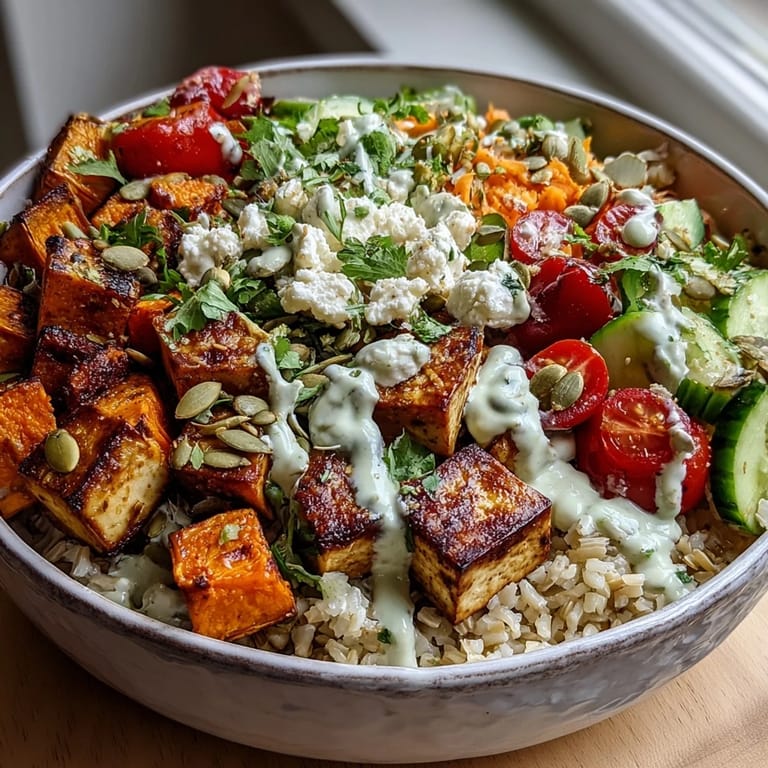
Save The magic of a grain bowl is that it's both incredibly practical and deeply personal, which is rare in cooking. Make it your own and it becomes the meal you actually want to eat.
Recipe Q&A
- → What grains work best for this bowl?
Brown rice, quinoa, farro, and couscous all provide excellent bases. Choose gluten-free couscous or cauliflower rice for lower-carb options. Each grain offers unique texture and nutritional benefits.
- → How do I store this for meal prep?
Keep grains, proteins, vegetables, and dressings in separate airtight containers in the refrigerator. Components stay fresh for 4-5 days. Assemble bowls just before serving to maintain texture and prevent sogginess.
- → Can I make this vegan or gluten-free?
Absolutely. Use tofu, chickpeas, or plant-based proteins and skip cheese for vegan options. Choose quinoa or certified gluten-free grains, and verify dressings contain no gluten-containing ingredients.
- → What vegetables add the most flavor?
Roasted sweet potato brings sweetness, cherry tomatoes offer acidity, and cucumber provides crunch. Steamed broccoli adds bulk, while avocado contributes creaminess. Mix raw and roasted vegetables for variety.
- → Which dressing pairs well with these ingredients?
Lemon-tahini adds creamy richness, balsamic vinaigrette offers brightness, soy-ginger brings Asian-inspired notes, and green goddess provides herbal freshness. Match dressing to your protein and vegetable choices.
- → How can I add more protein?
Combine two proteins like chicken and chickpeas, or double portions of tofu and shrimp. Add extra nuts, seeds, or cheese. For plant-based options, include edamame or hemp seeds for additional protein.