 Save
Save On a humid afternoon, my neighbor brought over a glass of something I'd never tried before—hojicha, she called it, the Japanese roasted green tea that tastes nothing like what I expected. The warmth of cinnamon caught me off guard, how it softened the earthy roast into something almost creamy without a drop of vanilla in sight. I asked for the recipe that evening, and she laughed, saying she'd made it up as she went along. Now it's my go-to when the weather turns unbearable and I need something that feels both comforting and light.
I served this to my mother-in-law without telling her what it was, and she sat on the porch for twenty minutes just holding the glass, not saying much. When she finally asked how I made it, I realized she'd been savoring each sip like it mattered. That's when I understood this drink wasn't just about ingredients—it was about slowing down enough to actually taste something.
Ingredients
- Hojicha loose leaf tea: This roasted green tea is the heart of everything, and loose leaf genuinely tastes better than bags, though bags work fine when you're in a hurry. The roasting gives it an almost chocolatey warmth that plays beautifully with cinnamon.
- Water: Use filtered if you have it—tap water works, but it does make a subtle difference in how clean the brew tastes.
- Milk: Dairy, oat, almond, whatever you have on hand, but oat milk adds a creaminess that feels intentional without being heavy.
- Honey or simple syrup: Start with less than you think you need; hojicha already carries a natural sweetness that surprises people.
- Ground cinnamon: The bridge between the roasted tea and the milk, bringing warmth without spice-forward heat.
- Ice cubes: Use filtered water to freeze them if your tap water tastes off—they'll melt into the tea, so quality matters.
Tired of Takeout? 🥡
Get 10 meals you can make faster than delivery arrives. Seriously.
One email. No spam. Unsubscribe anytime.
Instructions
- Boil the water and brew the tea:
- Get your water to a rolling boil, then add the hojicha and immediately pull back the heat to a gentle simmer. This five-minute steep is where all the magic happens—you'll smell that toasted, almost grain-like aroma filling your kitchen.
- Cool the tea properly:
- Straining into a pitcher gives you time to wash your hands without thinking about it, then sliding it into the fridge speeds everything up. The tea should feel cool to the touch but still fragrant.
- Build your glass:
- Ice first, always—it keeps the drink cold longer and looks more intentional than just tossing cubes in after pouring.
- Layer the flavors:
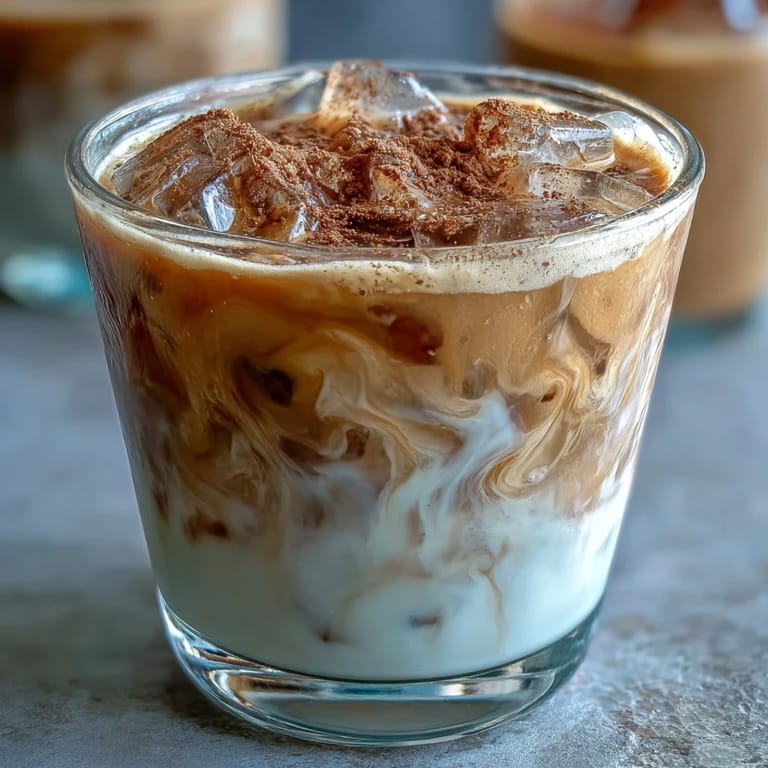
- Half tea, then milk (pour it slowly so it ribbons through), then your sweetener if you're using it. The cinnamon goes in at the end because it needs to sit on top where you can see and taste it.
- The final touch:
- One gentle stir and a dusting of cinnamon on the surface—this is the moment it stops being a drink and becomes a moment.
 Save
Save My daughter asked for this drink before school every morning for two weeks straight, and I realized it had become our small ritual. We'd stand in the kitchen together while I poured, and she'd watch the milk swirl through the tea like it was the most interesting thing happening. Those quiet moments before the chaos of the day started felt like the real recipe.
Why Hojicha Changed Everything
Before I discovered hojicha, I thought all tea needed to be either deeply green or strongly black, with nothing in between. The roasting process—where the leaves are fired at high heat—transforms the flavor into something that tastes less like tea and more like the smell of a calm afternoon. It has almost no caffeine compared to regular tea, which means you can drink it anytime without your mind racing at midnight.
The Cinnamon Question
I spent months wondering if cinnamon was too obvious a choice, like I was leaning on something predictable. Then I tasted it alongside the roasted hojicha and understood—they're not fighting for attention, they're having a conversation. The cinnamon brings warmth without dominating, sweetness without sugar, and a spice note that makes each sip feel a little more intentional than the last.
Making It Your Own
This drink is forgiving in the best way, asking you to taste as you go and trust your own preferences. Some afternoons call for more cinnamon, some mornings need less milk, and that flexibility is part of what makes it feel like your own discovery rather than someone else's formula. The beauty is in the adjusting, the little tweaks that turn a recipe into a habit.
- If you have cardamom on hand, add a pinch—it echoes the warmth of cinnamon and adds complexity that surprises you.
- Frothing the milk with a hand whisk or frother makes it feel like a proper café drink and adds a silky texture that regular poured milk doesn't quite achieve.
- Serve it in a glass you actually love holding; this drink deserves to feel good in your hands, not just in your mouth.
 Save
Save This drink has become my answer to the question of what to offer someone when they show up at my door looking tired or overwhelmed. It's thoughtful without being fussy, special without being complicated, and every time someone sits down with a glass, they seem to exhale a little deeper than they did before they arrived.
Recipe Q&A
- → What does hojicha taste like?
Hojicha features a distinctive roasted, nutty flavor with caramel undertones. The roasting process reduces bitterness, creating a smooth, earthy profile that's less astringent than other green teas.
- → Can I make this dairy-free?
Absolutely. Oat, almond, or soy milk work beautifully as substitutes. Oat milk particularly complements the roasted notes of hojicha and creates a creamy, café-style texture.
- → How strong should I brew the tea?
Steep for 5 minutes in boiling water to extract full flavor. Since the tea will be diluted with milk and ice, a robust brew ensures the hojicha character remains prominent.
- → Can I prepare this in advance?
Brew and chill the hojicha base up to 24 hours ahead. Add milk, sweetener, and cinnamon just before serving to maintain freshness and prevent separation.
- → What desserts pair well with this drink?
Light Japanese sweets like mochi, matcha cookies, or buttery shortbread complement the roasted tea flavors. The drink also stands alone beautifully as a midday refreshment.
- → Is hojicha caffeinated?
Yes, hojicha contains caffeine but typically less than other green teas due to the roasting process. One serving provides gentle energy without the jitters associated with stronger caffeinated beverages.