 Save
Save One sticky summer afternoon, my neighbor brought over a container of these noodles while I was nursing a wilted salad and wondering what to eat. The moment I lifted the lid, that toasted sesame and peanut aroma hit me like a warm breeze, and I was completely sold before even tasting it. What struck me most wasn't just how good it tasted, but how alive it felt—all those bright vegetables speaking for themselves, held together by a dressing that managed to be both comforting and surprisingly light. I've been making versions of it ever since, tweaking the ratios and discovering that the real magic happens when you don't overthink it.
I made a huge batch for a potluck where someone had just gone vegan, and I remember standing there watching them come back for thirds while their friends asked for the recipe. That small moment of making someone feel included at a table is when I realized this dish does something beyond just feeding people—it brings people together without any fuss or drama. Now I always keep the ingredients stocked because you never know when you'll need something this good that fast.
Ingredients
- Rice noodles or wheat noodles (300 g): Rice noodles keep the bowl lighter and naturally gluten-free, while wheat noodles add a slightly chewier texture—pick whichever matches your mood that day.
- Carrot, julienned: The sweetness of raw carrot cuts through the richness of the peanut dressing perfectly, and julienning them thin means they actually absorb the flavors instead of just sitting there.
- Red bell pepper, thinly sliced: Red peppers are sweeter than green ones and add a bright pop that makes the whole bowl feel more alive.
- Shredded red cabbage (1 cup): It stays crisp even when dressed, holds its color beautifully, and adds a subtle sweetness that balances the savory elements.
- Scallions, thinly sliced: Those green tops give you a mild onion bite that you don't realize you needed until you taste it.
- Fresh cilantro (1/2 cup): If you love cilantro, don't hold back—if you're one of those people who thinks it tastes like soap, feel free to skip it or swap in fresh mint or basil.
- Bean sprouts (1/2 cup): These add a tender crunch and a fresh, slightly grassy note that keeps things interesting.
- Creamy peanut butter (1/3 cup): Use the kind that's just peanuts and salt—fancy stuff with added oils or sugars won't emulsify as smoothly into your dressing.
- Soy sauce (2 tbsp): This is your umami anchor, so don't skimp on quality; if you need gluten-free, tamari works beautifully.
- Sesame oil (1 tbsp): A little goes a long way here—it's potent and toasted, so resist the urge to dump the whole bottle in.
- Rice vinegar (1 tbsp): The acidity brightens everything and keeps the dressing from becoming cloying.
- Honey or maple syrup (1 tbsp): This dissolves smoothly into the warm dressing and rounds out the flavors without making it dessert-like.
- Fresh ginger (1 tsp, grated): Ginger adds a gentle warmth that sneaks up on you in the best way possible.
- Garlic clove, minced (1 small): Just one clove keeps things delicate—the dressing should taste balanced, not like you're eating a vampire deterrent.
- Warm water (2–4 tbsp): This is your thickness controller, so add it slowly and taste as you go.
- Roasted peanuts (2 tbsp, chopped): These add textural contrast and remind you that the whole thing started with peanuts in the first place.
- Toasted sesame seeds (1 tsp): A tiny sprinkle makes all the difference—they toast your senses and look elegant.
- Lime wedges, for serving: These aren't optional; they're the final spark that brings everything into focus.
Tired of Takeout? 🥡
Get 10 meals you can make faster than delivery arrives. Seriously.
One email. No spam. Unsubscribe anytime.
Instructions
- Get your noodles ready:
- Boil water in a large pot, add the noodles, and cook according to the package instructions—usually about 8 to 10 minutes. Once they're tender but still have a little structure, drain them well and run cold water over them so they stop cooking and don't clump together.
- Build your dressing:
- In a medium bowl, whisk together the peanut butter, soy sauce, sesame oil, rice vinegar, honey, ginger, and minced garlic until it starts coming together. Slowly add the warm water while whisking, and keep going until it's smooth and pourable—you want it to coat the noodles without pooling at the bottom of the bowl.
- Prep your vegetables:
- While the dressing comes together, julienne the carrot, slice the bell pepper and scallions, shred the cabbage, and have your cilantro and bean sprouts ready. There's no magic to this part, just knife skills and a clean cutting board.
- Bring everything together:
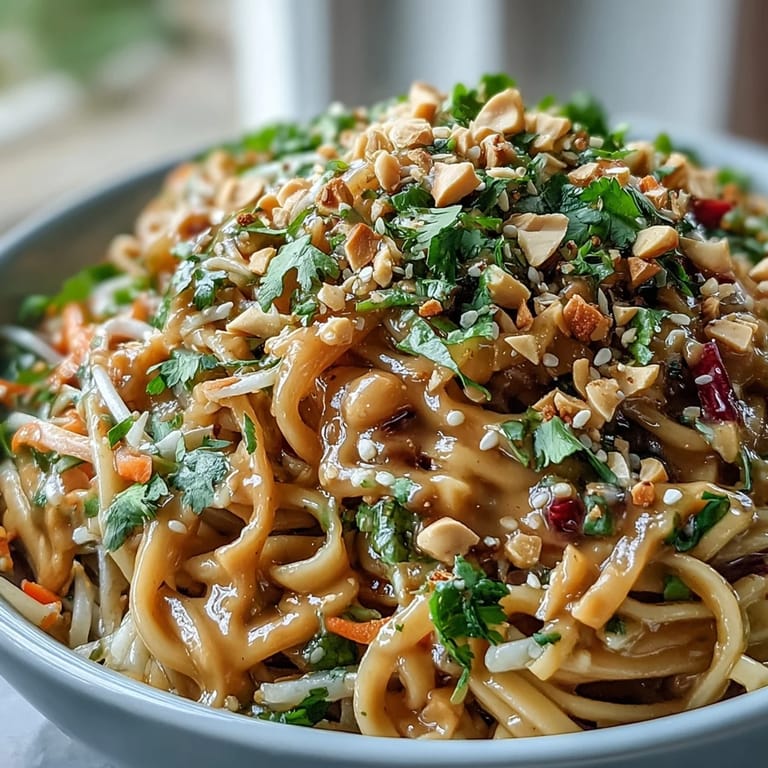
- In a large mixing bowl, combine the cooled noodles with all your vegetables—carrot, bell pepper, cabbage, scallions, cilantro, and bean sprouts. Pour that silky peanut dressing over everything and toss gently but thoroughly so every noodle and vegetable gets coated evenly.
- Plate and finish:
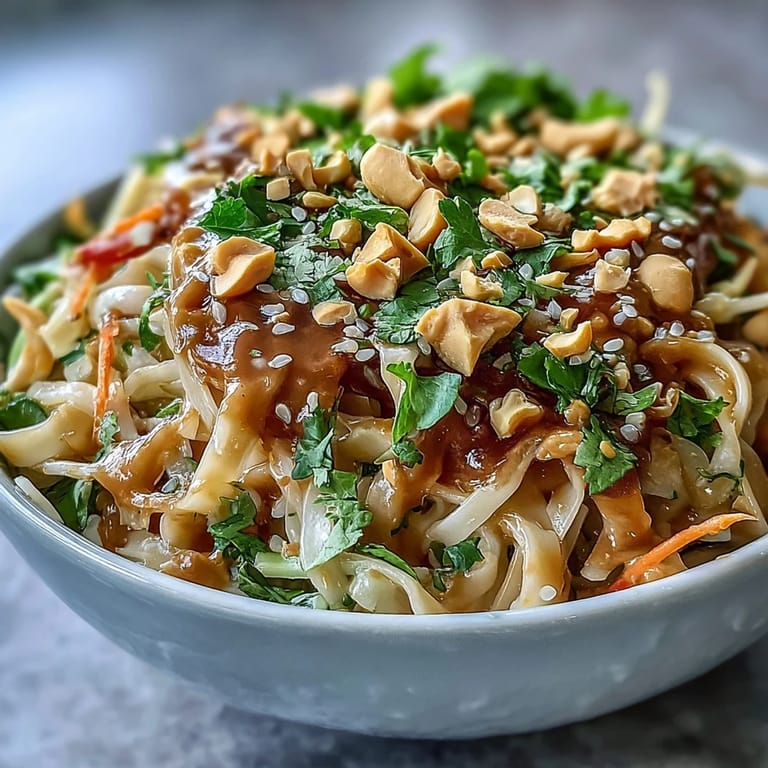
- Divide the noodle mixture among four serving bowls or plates, top each one with some chopped peanuts, a pinch of sesame seeds, and a sprinkle of extra cilantro if you've got it. Set lime wedges on the side so people can squeeze them over just before eating.
 Save
Save Last winter, I made this on a gray Wednesday and realized I'd been eating the same rotation of sad desk lunches for weeks. That first bite of cold noodles with that warm, nutty dressing made me feel like I was actually taking care of myself instead of just getting through the day. It's funny how something this simple can be a little act of self-kindness.
Temperature Flexibility
Most of the time I eat this cold straight from the fridge, especially in warm weather when the last thing I want is a hot meal. But on colder days, I'll gently warm the whole thing in a pan over medium heat for a couple of minutes, just enough to take the edge off—the dressing becomes even more luscious when it's warm, and the vegetables still keep their snap. The beauty is that it's delicious either way, so stop overthinking it and just eat it how you want it.
Protein Options and Variations
The recipe as written is vegetarian, but if you want to add protein, grilled tofu sliced thin works beautifully, or you could use shredded rotisserie chicken if you're in a hurry. Pan-seared shrimp is my go-to when I'm feeling fancy, and it takes maybe five extra minutes. You can also swap in whatever vegetables you have—cucumber adds coolness, snap peas add crunch, shredded beets add earthiness—there's no wrong answer here.
Dressing Secrets and Storage
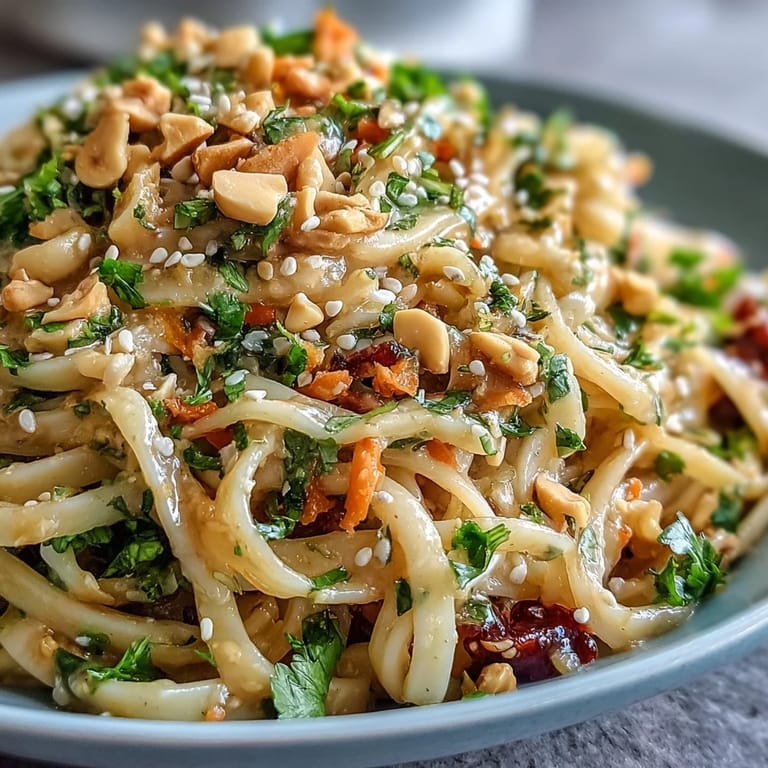
The dressing is honestly the whole show, so treat it with a little respect and taste it before you combine everything—it should make your eyes widen a tiny bit, that perfect balance of savory, sweet, nutty, and bright. If you're meal prepping, store the dressing separately from the noodles and vegetables so nothing gets soggy, and give it a good stir before tossing everything together. This keeps beautifully in the fridge for three days, though the noodles are best consumed within 24 hours if you want them to stay at their crispest.
- Make a double batch of dressing and keep it in a glass jar—it's perfect for drizzling over roasted vegetables or using as a dip for spring rolls.
- If your peanut dressing breaks or looks grainy, whisk in a teaspoon of ice water at a time until it comes back together.
- Squeeze fresh lime juice over each bowl right before eating to brighten everything at the very last moment.
 Save
Save This bowl has become my favorite way to remind myself that simple food made with a little care can be exciting and satisfying at the same time. Make it tonight and see what I mean.
Recipe Q&A
- → Can I make this bowl gluten-free?
Yes! Use rice noodles instead of wheat noodles and substitute regular soy sauce with tamari. Double-check all ingredients to ensure they're certified gluten-free.
- → How long does the dressing keep?
The peanut dressing stays fresh in an airtight container in the refrigerator for up to one week. The dressing may thicken over time—simply whisk in a small amount of warm water before using.
- → Can I prepare this bowl ahead of time?
Absolutely! This bowl is ideal for meal prep. Store the noodles, vegetables, and dressing separately in the refrigerator. Toss everything together just before serving for the best texture.
- → What vegetables work best in this bowl?
Carrots, red bell pepper, and red cabbage provide excellent crunch and color. You can also add cucumber, snap peas, shredded broccoli, or bok choy for extra freshness and nutrients.
- → How can I add more protein?
Grilled tofu, baked chicken breast, or cooked shrimp make excellent additions. Edamame, roasted chickpeas, or sliced hard-boiled eggs also work well for vegetarian options.