 Save
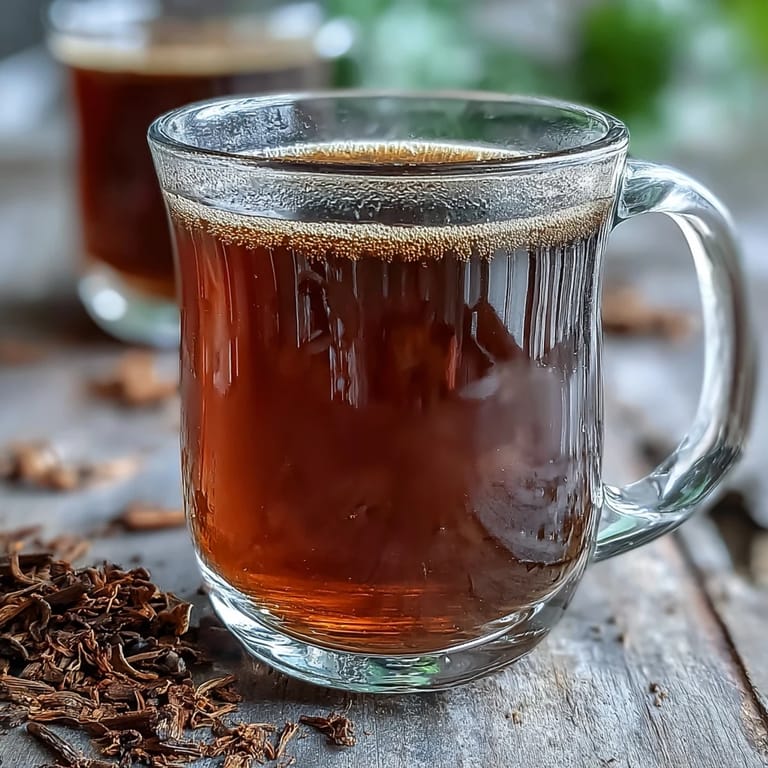
Save There's something quietly magical about discovering hojicha on a rainy afternoon when you're craving the ritual of coffee but your body needs something gentler. I stumbled upon this roasted Japanese tea at a small shop tucked between two buildings, and the shopkeeper described it with such reverence that I had to try it. The moment the hot water touched those toasted leaves, the kitchen filled with this warm, almost nutty aroma that felt like a gentle hug. It became my go-to drink when I wanted comfort without the caffeine crash, and now I can't imagine my quieter evenings without it.
I remember making this for my friend who'd been complaining about insomnia triggered by afternoon coffee, and watching her face light up after that first sip was priceless. She kept asking what the secret ingredient was, convinced there was something mysterious happening in her mug. When I told her it was just roasted green tea, she was surprised by how much flavor came from something so simple. Now she orders hojicha online in bulk, and I take full credit for corrupting her with a better afternoon ritual.
Ingredients
- Hojicha loose leaf tea or tea bag: Two teaspoons of loose leaf gives you more control over strength and creates that satisfying, full-bodied flavor that tea bags sometimes flatten; if using bags, one is plenty and more convenient for cleanup.
- Filtered water, just off the boil: The water should hover around 90°C (194°F) because boiling water scorches the delicate, already-roasted leaves and turns your drink bitter and harsh.
Tired of Takeout? 🥡
Get 10 meals you can make faster than delivery arrives. Seriously.
One email. No spam. Unsubscribe anytime.
Instructions
- Heat your water with intention:
- Bring filtered water to a boil, then let it cool for about 30 seconds so it's steaming but not violently bubbling. You'll know it's right when wisps of steam rise gently from the kettle's spout.
- Awaken the leaves:
- Drop your hojicha into a teapot, French press, or mug, letting them settle at the bottom like they're preparing to tell a story. The vessel matters less than giving the leaves room to unfurl and release their toasted essence.
- Pour and let magic happen:
- Slowly pour the hot water over the leaves, watching the liquid deepen from amber to a rich reddish-brown as the roasting flavors bloom. This is the moment that makes the whole thing worth it.
- Steep with patience:
- Set a timer for 3 to 4 minutes depending on how boldly you want your drink to taste; I lean toward the longer side because life moves too fast to rush tea. The longer it steeps, the more that toasted, almost woody flavor comes through.
- Strain and surrender to warmth:
- If using loose leaf, pour through a strainer into your drinking cup, leaving those spent leaves behind. If using a tea bag, simply remove it and admire the clarity of your brew.
- Serve like an evening ritual:
- Drink it hot, holding the mug with both hands if you need to, letting the warmth ground you the way coffee never quite could.
 Save
Save There was this one winter evening when my neighbor knocked asking why my apartment smelled so good, expecting some elaborate dessert, and instead I handed her a cup of this. She sat with me for an hour just talking about life while the hojicha cooled slowly in our hands, and I realized that sometimes the best recipes are the ones that slow everything down. That cup became our signal to each other that it was time to actually sit and connect instead of rushing through another day.
Strength and Customization
Hojicha is forgiving in a way that coffee never is, letting you adjust strength without penalty or a bitter aftertaste that haunts you for hours. If you prefer a lighter touch, use one and a half teaspoons of tea and steep for just three minutes, creating something almost delicate and nuanced. For those mornings when you need something with backbone, go full strength with two and a half teaspoons and let it steep for five minutes, building a drink that rivals coffee in depth but remains entirely caffeine-gentle.
Milk and Sweetness Optional
While hojicha shines pure and unfussy, there's no shame in making it yours through additions that make you happy. A splash of oat milk creates a creamy, almost café-like texture that turns this into something between a latte and pure tea, while soy milk adds a subtle sweetness that doesn't require any honey. A drizzle of honey or maple syrup brings out the toasted, almost caramel notes hiding in the hojicha, making it feel indulgent without being heavy.
The Gift of Evening Calm
What makes hojicha different from green tea is that roasting process, which mellows the caffeine content to almost nothing while somehow making the flavor taste bolder and more present. This is the drink for late afternoons when you want the ritual and warmth of something hot but your body knows caffeine would be a mistake. It's become my signal to myself that the workday is ending and something slower, quieter, and more intentional is beginning, and that shift in mindset might be the real magic here.
- Try making a larger batch in a French press if you want to steep multiple cups at once without having to babysit the kettle.
- Store unused hojicha in an airtight container away from light and heat, and it will stay fresh and fragrant for months.
- This drink tastes just as wonderful at room temperature on a warm day if you ever need tea that doesn't steam.
 Save
Save This beverage has taught me that the best recipes aren't always about complexity or exotic ingredients, but about creating a moment of peace in a world that rarely gives us permission to slow down. Make this when you need it, share it with someone who understands, and let it remind you that sometimes the most comforting things in life are also the simplest.
Recipe Q&A
- → What makes hojicha different from regular green tea?
Hojicha is roasted at high temperatures, giving it a reddish-brown color and distinct toasty, nutty flavor profile. The roasting process also reduces caffeine content significantly compared to other green teas.
- → Can I make this iced?
Absolutely. Brew the hojicha concentrate as directed, then pour over ice for a refreshing cold version. You can also cold-brew hojicha by steeping in cold water for 6-8 hours.
- → Why is it called an Americano?
The name refers to the preparation style, similar to an Americano coffee which is espresso diluted with hot water. Here, concentrated hojicha creates that same bold, depth-filled experience.
- → What's the ideal water temperature?
Heat filtered water to approximately 90°C (194°F), just below boiling point. This optimal temperature extracts the roasted flavors fully without scorching the delicate leaves.
- → How many times can I reuse hojicha leaves?
Quality loose leaf hojicha typically provides 2-3 good infusions. Each steeping will yield slightly lighter flavor but still maintains the characteristic roasted notes.