 Save
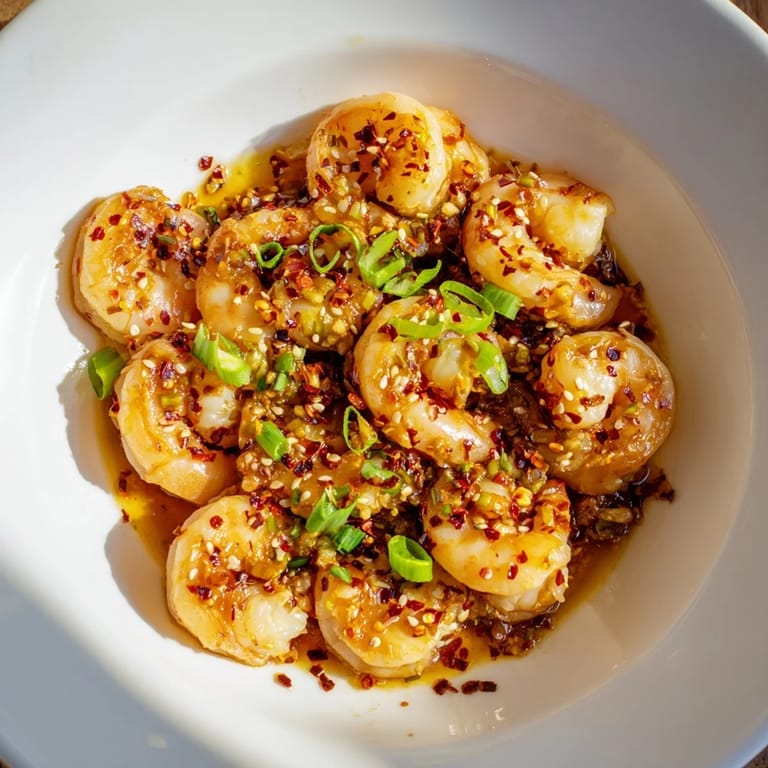
Save I discovered this dish on a random Tuesday night when my fridge was nearly empty except for a bag of shrimp and a stick of butter. Rather than order takeout, I decided to throw together whatever spices caught my eye, and the moment that garlic hit the hot butter, my kitchen filled with this intoxicating aroma that made me stop scrolling on my phone. What emerged was this glossy, spiced-up shrimp situation that tasted like someone who actually knew what they were doing had made it. Now I make it whenever I want to feel like I have my life together, which is more often than I'd like to admit.
I served this to a friend who claimed she didn't like spicy food, and she ate most of the shrimp off my plate while arguing about whether it was actually hot or just flavorful. That's when I realized the heat here isn't a challenge—it's a background note that makes everything taste more alive. She's requested it every time since, always with that same suspicious skepticism that melts the moment she tastes it.
Ingredients
- Large shrimp, 500g: The size matters more than you'd think because they cook evenly and stay tender instead of turning into little rubber balls. I always buy them with the tails on so I know they're relatively fresh, and I pat them completely dry before cooking because moisture is the enemy of a good sear.
- Unsalted butter, 3 tbsp: This is your base, your luxury, your non-negotiable ingredient. Use actual butter, not the margarine situation, because the milk solids are what create that rich, toasty flavor that makes people think you went to culinary school.
- Garlic, 4 cloves minced: Fresh garlic only—the jarred stuff tastes like regret and will ruin the whole vibe. Mince it fine so it distributes evenly and creates little pockets of flavor throughout the sauce.
- Gochugaru (Korean chili flakes), 1 tbsp: This is the star that doesn't overshadow the shrimp, just elevates everything around it. It brings a fruity, slightly fermented heat that's completely different from regular red pepper flakes.
- Soy sauce, 1 tbsp: The umami anchor that ties the whole dish together. Go gluten-free tamari if you need to, but don't skip it or you'll lose that savory depth.
- Honey, 1 tbsp: A touch of sweetness that rounds out the spice and creates balance. I learned this the hard way after making it without sweetener—it was flat and one-dimensional.
- Sesame oil, 1 tsp: A little goes a long way; this is about whisper, not shout. It adds a toasted nuttiness that makes people ask what your secret ingredient is.
- Scallions, 2 tbsp chopped: Fresh, green, sharp—they're the final brightness that cuts through all that rich butter and reminds your mouth that vegetables exist.
- Toasted sesame seeds, 1 tsp: The garnish that looks intentional and tastes like you knew exactly what you were doing. Toast them yourself if you have time, or buy them pre-toasted because life is short.
- Lemon wedges: Optional but genuinely useful for anyone who wants to add brightness or needs the sauce a little less intense.
Tired of Takeout? 🥡
Get 10 meals you can make faster than delivery arrives. Seriously.
One email. No spam. Unsubscribe anytime.
Instructions
- Dry your shrimp properly:
- Paper towels are your friend here—wet shrimp steam instead of sear, and steamed shrimp are sad shrimp. Take the extra thirty seconds to pat them completely dry because it makes the difference between glossy and gummy.
- Build your butter base:
- Melt the butter over medium heat, listening for that gentle sizzle but not waiting for any browning yet. You want it quiet and patient at this stage.
- Cook the garlic until fragrant:
- Add your minced garlic and stir constantly for about a minute—you're looking for golden and aromatic, not brown and bitter. Your nose will tell you when it's ready before your eyes will.
- Bloom the spice:
- Stir in the gochugaru, soy sauce, honey, and sesame oil all at once and let it cook together for thirty seconds. This short moment allows the flavors to marry and creates a cohesive sauce instead of separate ingredients sitting together.
- Cook the shrimp in a single layer:
- Place your shrimp flat in the skillet and resist the urge to touch them for the first two minutes—they need that contact with the heat to develop color. After 2–3 minutes per side, they'll turn that beautiful coral-pink color and feel firm but still give slightly when you press them.
- Toss and coat:
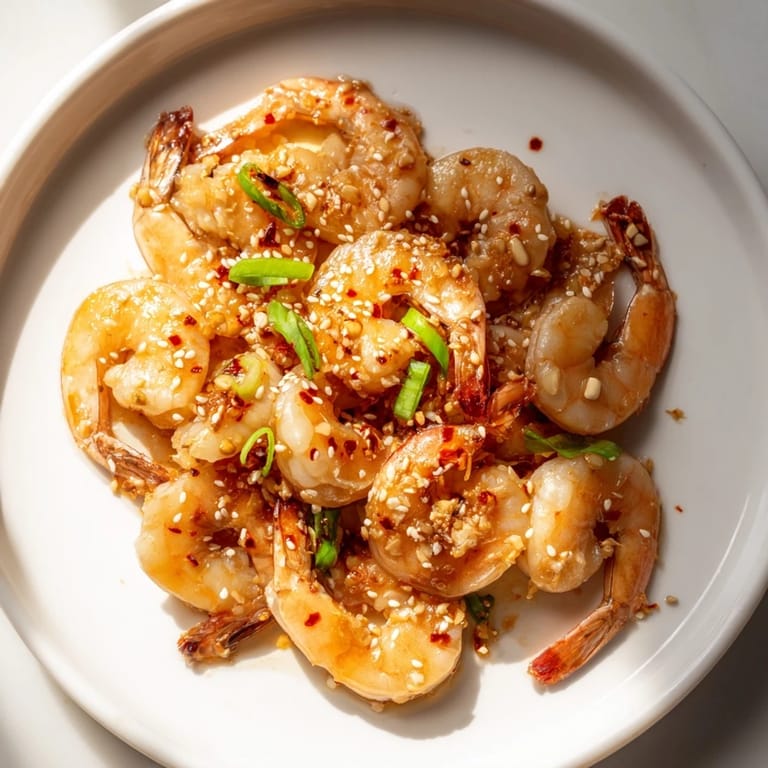
- Give everything a gentle toss so each shrimp gets coated in that glossy sauce, then take it off the heat immediately. Shrimp can go from perfect to rubbery in about thirty seconds, so err on the side of pulling it early.
- Plate and garnish:
- Transfer to a serving platter and immediately sprinkle with scallions and sesame seeds while everything is still warm. The heat helps the garnishes release their flavors and makes the dish look like you actually care, which you do.
 Save
Save I made this for a dinner party where someone mentioned they were allergic to most things, and I realized halfway through cooking that shrimp, butter, and gochugaru somehow ticked all their boxes. Watching them eat without hesitation, asking for the recipe—that's when I understood that sometimes the simplest dishes carry the most weight. It became my go-to proof that limitation doesn't mean your food has to taste limited.
Why the Flavor Works
This dish is built on a principle I didn't know I was following until someone asked: you need fat to carry spice, sweetness to round it out, and umami to anchor everything so it doesn't feel one-dimensional. The butter carries the gochugaru across your palate, the honey softens the heat just enough to make it welcoming instead of challenging, and the soy sauce tells your brain that this is intentional and layered. It's the kind of dish that tastes more complicated than it actually is, which is exactly the kind of cooking I love.
Making It Your Own
I've made this so many ways depending on what I have and how I'm feeling. Sometimes I add a splash of ginger, sometimes I use brown sugar instead of honey because it was sitting there, and once I cooked it with a little white wine and it was somehow even better. The structure is solid enough that you can play with it without breaking it, which means you can make it yours instead of just following orders.
Serving and Pairing
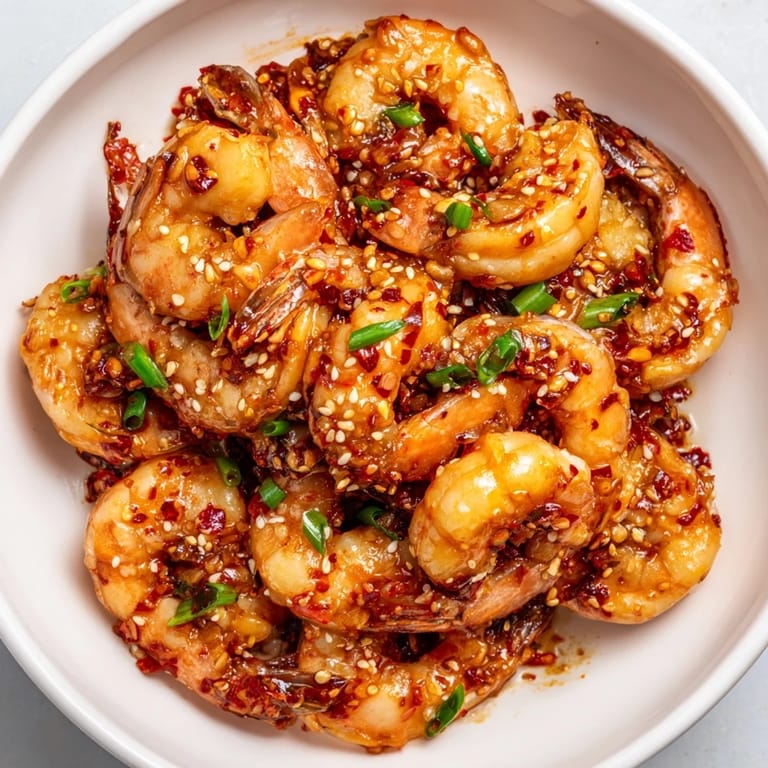
This shrimp works as a standalone appetizer, poured over rice for a quick dinner, tangled with noodles, or even served on crostini if you're feeling fancy. I've discovered it pairs beautifully with anything cold and crisp—a Sauvignon Blanc is perfect, but so is a cold beer or even just ice water with lemon to cool your mouth if the heat climbs higher than expected. The lemon wedges on the side are there for people who want to pull back the intensity, and also just to make the plate look intentional.
- Serve immediately after garnishing because the scallions stay sharp and the sesame seeds stay crispy when eaten right away.
- If you're making this for a crowd, you can prep everything beforehand and cook it in two batches rather than overcrowding the pan.
- The dish reheats gently over low heat with a splash of water if needed, though it's truly best eaten fresh.
 Save
Save This recipe became my secret weapon for cooking something that feels impressive without requiring me to be impressive. It's simple enough that anyone can make it, but good enough that everyone asks you how you did it.
Recipe Q&A
- → What kind of shrimp is best for this dish?
Large, peeled, and deveined shrimp work best for even cooking and ease of preparation.
- → Can I adjust the spice level?
Yes, increasing or reducing gochugaru or adding red pepper flakes will change the heat to your preference.
- → What should I serve with the shrimp?
Steamed rice, noodles, or a crisp white wine like Sauvignon Blanc complement the flavors well.
- → Is there a substitute for honey in the sauce?
Brown sugar can be used as an alternative to add sweetness without changing the texture.
- → How do I prevent garlic from burning?
Cook minced garlic over medium heat for just about a minute until fragrant, stirring constantly.