 Save
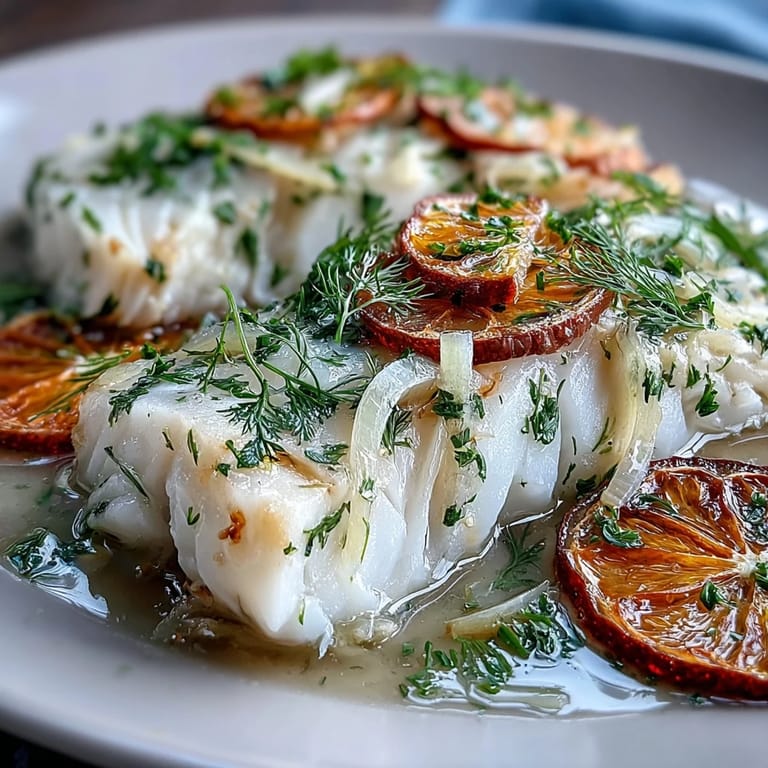
Save There's something almost meditative about watching a piece of fish turn from translucent to opaque in a gently simmering broth. I discovered this poached cod on a quiet Tuesday evening when my kitchen smelled like wine and citrus, and I realized I'd been overcomplicating fish all along. The fennel softens into something sweet and almost licorice-like, the orange brightens everything, and the cod stays impossibly tender because you're never wrestling it with high heat. It's the kind of dish that feels fancy enough for guests but simple enough that you're done in under forty minutes.
I made this for my sister on a gray Sunday when she was between jobs and needed comfort food that felt like a small celebration. She sat at my kitchen counter while I sliced the fennel, and the conversation drifted from worry to something lighter as the smell of white wine and orange filled the room. When she tasted it, her shoulders actually relaxed, and she asked for the recipe immediately. That's when I knew it wasn't just the flavors doing the work.
Ingredients
- Fresh cod fillets: Look for fillets that are firm and smell faintly of the ocean, not fishy; if your fishmonger has just received them, that's your signal to buy.
- Fennel bulb: Choose one that feels heavy for its size and has pale, tightly packed layers; the delicate fronds are your garnish so don't discard them.
- Orange: Use unwaxed if you can find it, since you're zesting it; the juice itself won't go into the liquid, but the slices infuse the broth beautifully.
- Low-sodium stock: Fish stock is ideal, but vegetable stock works perfectly if that's what you have; the quality matters because this is a subtle dish.
- Dry white wine: Something you'd actually drink is the rule of thumb; save the expensive bottles, but skip the truly cheap stuff.
- Extra virgin olive oil: Use a good one here since it's not being cooked aggressively and contributes real flavor to the final dish.
Tired of Takeout? 🥡
Get 10 meals you can make faster than delivery arrives. Seriously.
One email. No spam. Unsubscribe anytime.
Instructions
- Build your aromatic base:
- Heat the olive oil in a large skillet over medium heat and add the fennel, shallot, and garlic; let them soften for about 3 to 4 minutes, stirring occasionally so they don't brown. You're looking for them to turn tender and just beginning to release their perfume into the oil.
- Create the poaching liquid:
- Add the orange slices, zest, bay leaf, wine, and stock to the skillet and bring everything to a gentle simmer; the liquid should barely bubble when you look at it. This slow simmer is what keeps your cod delicate instead of rubbery.
- Season and nestle the cod:
- Pat the cod fillets dry, season them lightly with salt and pepper on both sides, and arrange them in a single layer in the simmering liquid; they should be mostly submerged. Don't crowd the pan or they'll steam rather than poach.
- Poach low and slow:
- Reduce the heat to low, cover the skillet, and let the cod poach undisturbed for 8 to 10 minutes until the flesh turns opaque and flakes easily when you press it with a fork. The moment it stops looking translucent is when you stop cooking it.
- Plate with care:
- Use a slotted spatula to lift each cod fillet and some of the fennel onto your serving plates, then spoon the aromatic broth and a few orange slices over the top. The gentleness matters here because the fish is tender and you want it to arrive at the table looking as good as it tastes.
 Save
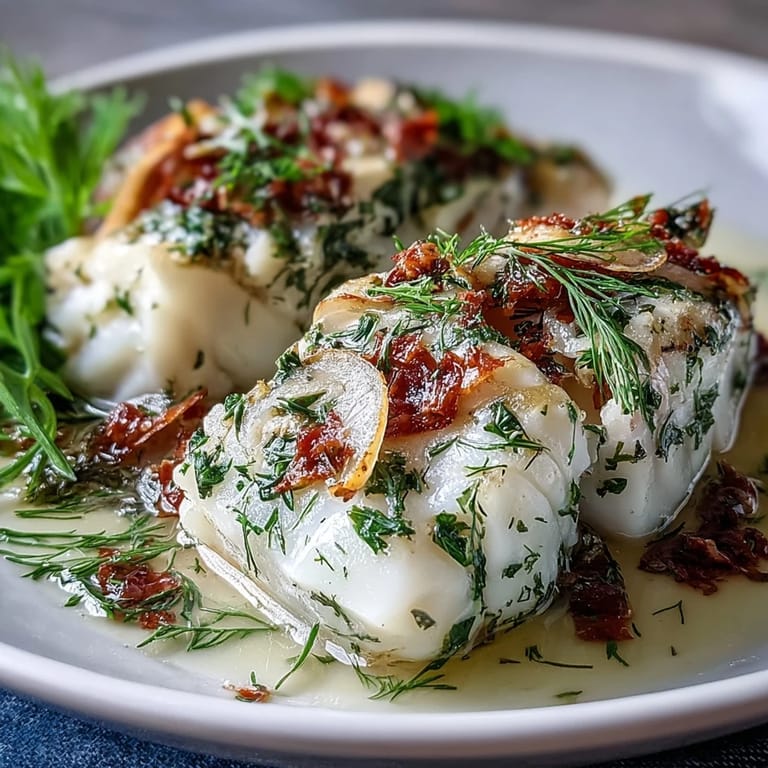
Save What surprised me most was how this dish became a bridge between people who thought they didn't like fish and people who ate it all the time. The fennel is familiar enough to be comforting, the orange is bright without being aggressive, and the cod just disappears on the tongue. It became the meal I'd make when I wanted to prove that simple food, cooked with attention, tastes like you tried much harder than you did.
Why Fennel Is Your Secret Weapon
Fennel has this reputation for being difficult or weird, but in this dish it becomes something entirely different. When you slice it thinly and poach it gently, it softens into something almost creamy, with a subtle anise sweetness that plays beautifully against the citrus and the delicate fish. I've had people at my table taste it and ask what it is, and when I tell them it's fennel, they're genuinely surprised. It's the vegetable that makes you look like you know what you're doing in the kitchen.
The Orange Makes Everything Better
There's a reason Mediterranean cooking reaches for citrus so often, and it's because it wakes up everything around it without overwhelming. The zest brings a sharp brightness, the slices poached in the broth become almost candied and tender, and together they balance the richness of the olive oil and the earthiness of the fennel. I've tried this dish without the orange out of curiosity once, and it tasted flat; even a small amount makes the difference between pleasant and memorable.
Serving Suggestions and Finish
The poaching liquid is too good to leave behind, so choose your sides accordingly. Crusty bread soaks it up beautifully, steamed potatoes make it heartier, or you could serve it simply with the garnish and a salad on the side. The chopped fennel fronds and extra orange zest are more than just decoration; they add texture and a fresh final note that reminds you this is spring in a bowl.
- If you want extra depth, add a few thyme sprigs to the poaching liquid while it simmers or a small splash of Pernod for something more herbaceous.
- Halibut, haddock, or sea bass work perfectly if cod isn't available, though you may need to adjust timing slightly based on thickness.
- Make the broth ahead of time and reheat gently before adding the cod, which lets you prep for guests without stress.
 Save
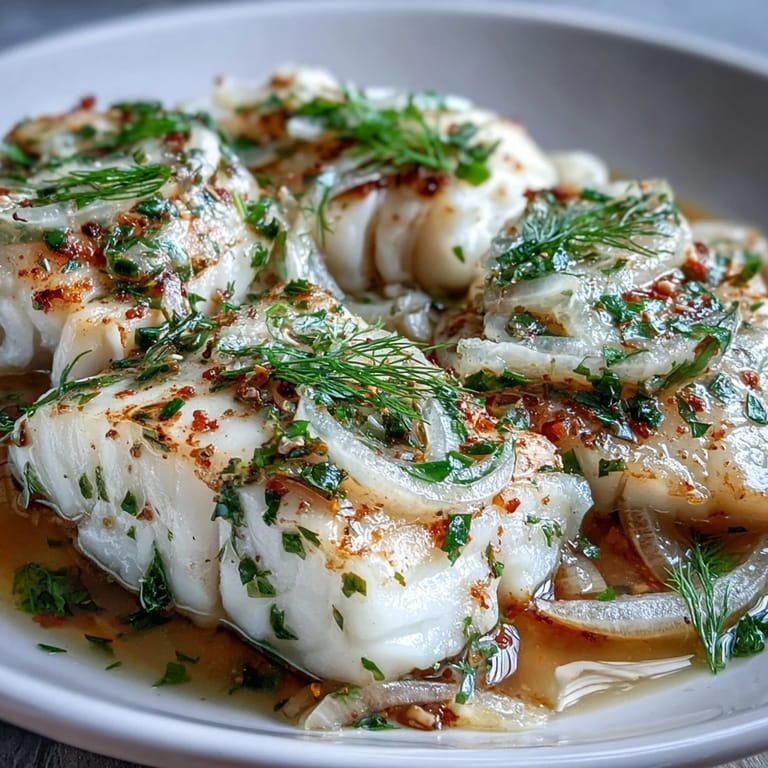
Save This dish reminds me that the best meals are the ones where the technique is invisible and all you taste is care. Make it once and you'll understand why it's worth coming back to.
Recipe Q&A
- → Can I use other types of fish for this dish?
Yes, you can substitute cod with halibut, haddock, sea bass, or any other mild white fish fillets. Adjust cooking time slightly depending on thickness—thicker fillets may need 2-3 additional minutes to cook through.
- → What can I use instead of white wine?
You can replace the white wine with additional fish or vegetable stock, or use a splash of white wine vinegar diluted with water. For a unique twist, a small amount of Pernod or absinthe adds authentic anise flavor that complements the fennel beautifully.
- → How do I know when the cod is done poaching?
The cod is ready when the flesh turns completely opaque and flakes easily when tested with a fork. The internal temperature should reach 145°F (63°C). Be careful not to overcook—poached fish continues cooking slightly after being removed from the liquid.
- → Can I prepare this dish ahead of time?
You can slice the fennel, orange, and shallots up to a day in advance and store them in the refrigerator. However, cod is best poached just before serving for optimal texture. If you need to reheat leftovers, gently warm them in the poaching liquid over low heat to prevent drying.
- → What sides pair well with poached cod?
Steamed potatoes, crusty bread, or fluffy white rice are perfect for soaking up the aromatic broth. A simple green salad with lemon vinaigrette adds freshness, while roasted vegetables like asparagus or zucchini complement the Mediterranean flavors without overpowering the delicate fish.
- → Is this dish suitable for special diets?
Yes, this dish is naturally gluten-free, dairy-free, and low in carbohydrates, making it suitable for various dietary preferences. It's high in protein with 32g per serving and contains heart-healthy omega-3 fatty acids from the cod. Always verify your stock and wine are certified gluten-free if needed.