 Save
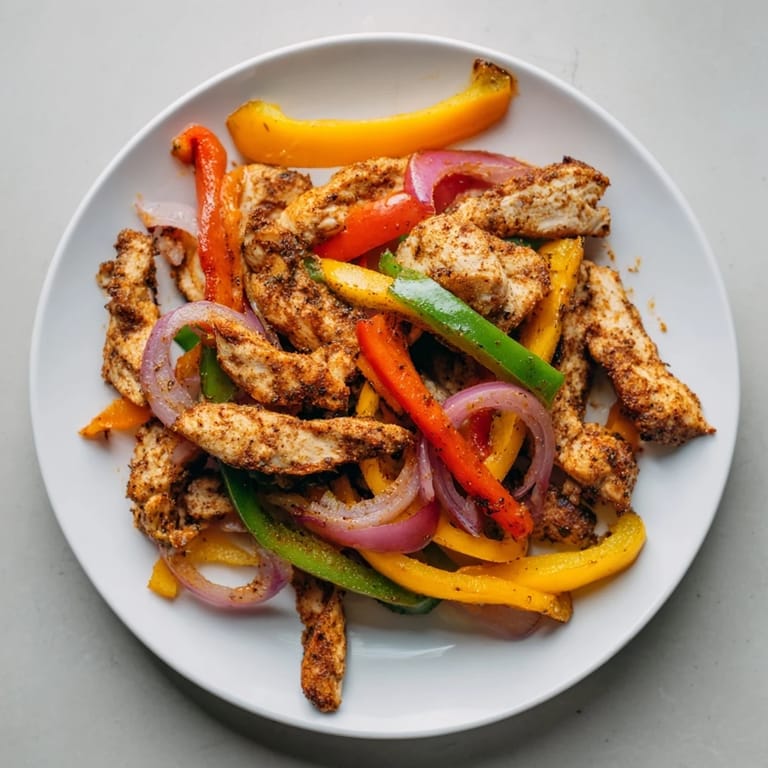
Save There's something about the sizzle of chicken and peppers hitting a hot pan that instantly transports me back to lazy Friday nights when my roommate and I would throw together whatever sounded good. Sheet-pan fajitas became our shortcut to that Tex-Mex restaurant experience without the wait or the bill, and honestly, we stopped going out for them altogether once we mastered this method. The beauty of roasting everything together means the peppers caramelize while the chicken stays juicy, and you're left with one messy pan instead of a sink full of dishes.
I made this for my sister on a random Tuesday when she called asking what I was cooking, and she showed up at my door twenty minutes later uninvited but very welcome. Watching her wrap her first fajita and take that first bite, then immediately ask for the recipe, felt like winning something. That's when I knew this wasn't just a weeknight dinner hack—it was actually genuinely good food that happens to be easy.
Ingredients
- Chicken breasts: Cut them into half-inch strips so they cook evenly and stay tender; thinner pieces mean you can't overcook them as easily.
- Chili powder, cumin, and smoked paprika: This trio is the backbone of the whole thing—don't skimp or substitute with milder spices if you want actual flavor.
- Olive oil: Enough to coat everything and help the spices stick, but not so much that things steam instead of roast.
- Lime juice: Adds brightness and keeps the chicken from tasting one-dimensional.
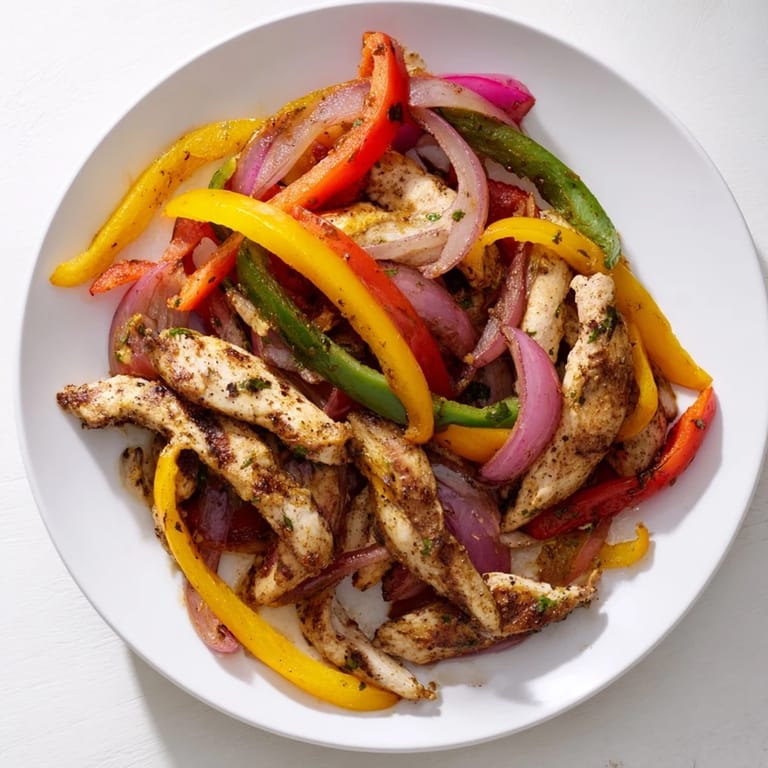
- Bell peppers: Use all three colors for visual appeal, but more importantly, they have slightly different sweetness levels and it works.
- Red onion: Caramelizes beautifully and tastes completely different than raw onion by the end.
- Tortillas: Warm them in a dry skillet or directly over gas if you have it; cold tortillas ruin the whole vibe.
Tired of Takeout? 🥡
Get 10 meals you can make faster than delivery arrives. Seriously.
One email. No spam. Unsubscribe anytime.
Instructions
- Set up your stage:
- Preheat your oven to 425°F and line a large sheet pan with parchment paper or foil. This temperature is the magic number—hot enough to caramelize the vegetables without drying out the chicken.
- Make the marinade:
- Whisk together the olive oil, all those spices, salt, pepper, and lime juice in a large bowl until it smells like you know what you're doing. This is the liquid gold that carries flavor to everything.
- Coat the chicken:
- Toss your chicken strips into the marinade and make sure every piece is glossy and coated. Don't rush this part—you're essentially seasoning it from the inside out.
- Assemble on the pan:
- Spread the chicken in a single layer, then scatter the peppers and onions around it. Toss the vegetables with whatever marinade is clinging to the bowl—none of that flavor is wasted.
- Roast low and slow:
- Put the whole pan in the oven for 20 to 25 minutes, stirring everything around halfway through. You're looking for the chicken to be cooked through and the vegetables to have some caramelized edges, not to be soft mush.
- Plate and customize:
- Transfer everything to a serving dish, warm your tortillas, and let people build their own with cilantro, avocado, sour cream, and lime wedges. This is where everyone gets to make it their own.
 Save
Save My nephew, who's six and refuses most vegetables, ate an entire fajita loaded with peppers without complaining because he was too busy pretending he was making them himself. Sometimes the best part of cooking isn't actually the eating—it's that moment when someone tastes it and genuinely enjoys what you made.
Building Better Fajitas
The tortilla matters more than people realize. A cold, stiff tortilla makes everything harder to eat and breaks your wrap game, so spend the two minutes warming them properly. I learned this the hard way once when I was showing off and didn't bother warming them, and the whole experience went downhill from there. A warm tortilla is forgiving, flexible, and actually tastes better because the heat releases the grain flavor.
Customization and Swaps
This formula works with literally anything: swap the chicken for shrimp if you want something faster, use flank steak if you're feeling fancy, or throw in portobello mushroom slices for the vegetarians at your table. I've tested most of these combinations and they all hit the same way—seasoned, roasted, delicious. The magic isn't the protein, it's the technique and the spice blend working together.
The Topping Strategy
Some people pile their fajitas high with toppings, and some prefer them simple—both approaches are completely valid. Fresh cilantro and a lime squeeze are honestly all you need, but creamy avocado and cool sour cream create a contrast that makes the warm spice hit different. If you're feeding a crowd, lay everything out buffet style and let people make choices based on their mood. The cilantro keeps things fresh, the avocado makes it feel intentional, and the lime ties it all together—that's your holy trinity if you're only adding three things.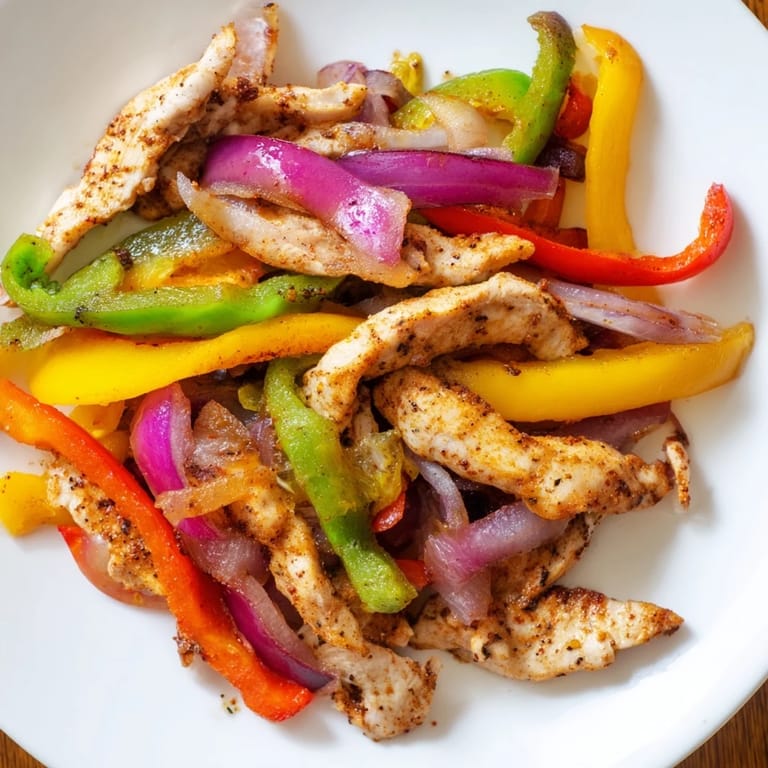 Save
Save
Sheet-pan dinners are proof that shortcuts don't have to taste like shortcuts. Make this when you're tired, make it when you're impressing someone, make it because you need dinner and you need it fast.
Recipe Q&A
- → What cooking method is used for this dish?
The chicken and vegetables are roasted together on a single sheet pan at high heat to ensure even cooking and caramelization.
- → How can I add extra heat to the dish?
Include sliced jalapeños in the mix before roasting or serve with spicy salsa on the side.
- → Can I substitute the chicken with other proteins?
Yes, shrimp, steak strips, or portobello mushrooms work well as alternatives for variety.
- → What sides pair well with this dish?
It pairs nicely with rice, salad greens, or warmed corn tortillas for a complete meal.
- → How do I keep this gluten-free?
Use corn tortillas instead of flour, and choose gluten-free seasoning blends to maintain a gluten-free meal.