 Save
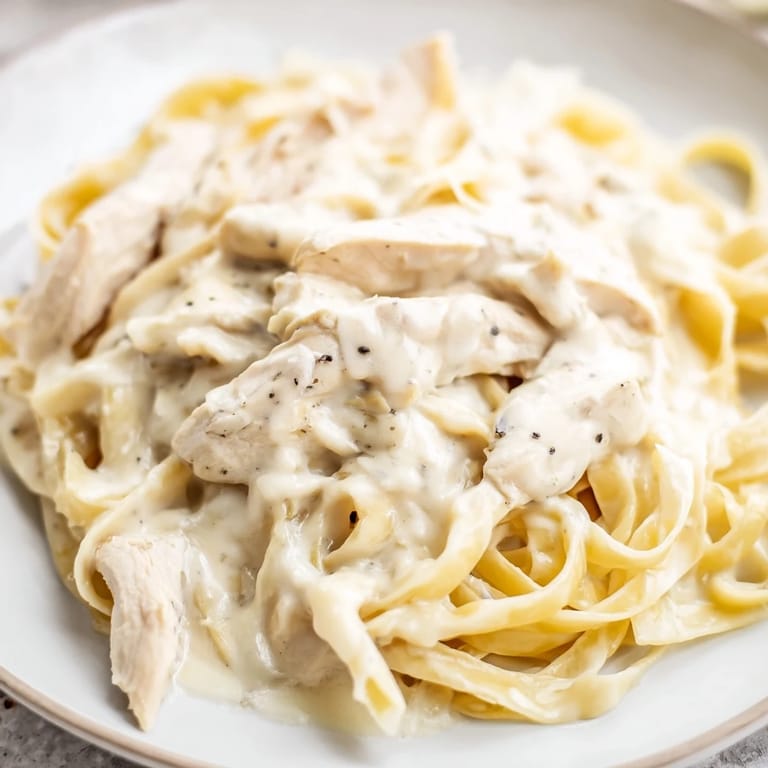
Save There's something about the sizzle of chicken hitting a hot skillet that makes me feel like I'm actually cooking something worth bragging about, even on a Tuesday night when I'm exhausted. My neighbor once mentioned she'd never attempted Alfredo at home because she thought it required some secret restaurant technique, so I invited her over and we made this together in about 35 minutes flat. She watched the cream transform into silk as the Parmesan melted in, and I could see her whole face change—that moment when someone realizes they've been intimidated by something beautifully simple. Now whenever we catch up, she asks how the skillet Alfredo is going, as if it's an old friend we both check in on. It became our thing, and honestly, it's one of the easiest dishes I make when I actually want to feel accomplished.
I made this for my partner on a night when nothing else in the pantry felt right, and we ended up eating it straight from the skillet while watching something terrible on TV. He looked genuinely surprised that homemade Alfredo could taste better than the frozen kind we'd been grabbing, and that's when I realized this recipe deserved to be permanent. There's comfort in knowing you can pull together something this creamy and satisfying without any fuss or fancy ingredients.
Ingredients
- Chicken breasts: Slicing them into strips means they cook faster and absorb the sauce better than if you left them whole—I learned this after one tough, overdone attempt.
- Fettuccine or penne pasta: Either works beautifully, though I prefer fettuccine because it holds onto the sauce like it's meant to be together.
- Unsalted butter and olive oil: Using both gives you richness and flavor without the butter burning, a lesson I learned the hard way on my first try.
- Garlic cloves: Fresh garlic makes all the difference here—the minced version should smell almost aggressive before it hits the pan, then mellow into something golden.
- Heavy cream: This is non-negotiable for authentic texture, though you can swap it for half-and-half if you want something lighter.
- Freshly grated Parmesan cheese: Pre-shredded cheese won't melt as smoothly because of the anti-caking agents, so grating it yourself is worth those extra thirty seconds.
- Low-sodium chicken broth: It brings savory depth without overwhelming the cream, and it helps you control the salt level.
- Nutmeg: Just a pinch makes people wonder what secret ingredient you've hidden in there—it rounds out the flavors in a way that feels almost mysterious.
- Salt and black pepper: Taste as you go because you might need less once the Parmesan hits the pan.
- Fresh parsley: The green on top makes it look finished and tastes bright against all that richness.
Tired of Takeout? 🥡
Get 10 meals you can make faster than delivery arrives. Seriously.
One email. No spam. Unsubscribe anytime.
Instructions
- Get your pasta going:
- Bring a large pot of salted water to a boil and cook the pasta according to package instructions until al dente, which means it should have just a tiny bit of resistance when you bite it. Reserve about half a cup of that starchy water before you drain—it's liquid gold for loosening your sauce later.
- Sear the chicken:
- Heat a tablespoon of olive oil and a tablespoon of butter in your large skillet over medium-high heat until it shimmers slightly, then add the seasoned chicken strips and let them get golden on both sides, about five to six minutes total. The kitchen will smell incredible, and you'll hear a proper sizzle that tells you everything is working.
- Build the flavor base:
- In that same skillet, lower the heat to medium and add the remaining butter and oil, then add your minced garlic and stir it around for about a minute until it smells fragrant but not burnt. This is where the magic actually starts.
- Create the sauce foundation:
- Pour in your chicken broth and let it simmer while you scrape up all those browned bits stuck to the bottom—that's where the flavor lives. Add your heavy cream and a tiny pinch of nutmeg, then let it bubble gently for a couple minutes.
- Melt in the cheese:
- Turn the heat to low and add your freshly grated Parmesan a handful at a time, stirring constantly until each addition melts completely before adding more. This slow approach keeps the sauce silky instead of grainy.
- Bring it together:
- Add the cooked pasta and chicken back to the skillet and toss everything to coat, adding splashes of that reserved pasta water if the sauce seems too thick. The goal is something that clings to the pasta without drowning it.
- Taste and adjust:
- Take a bite and decide if you need more salt, pepper, or anything else—trust your instincts here.
- Finish and serve:
- Scatter fresh parsley over the top and add a few extra shavings of Parmesan if you want to be fancy about it, then serve immediately while everything's still hot and creamy.
 Save
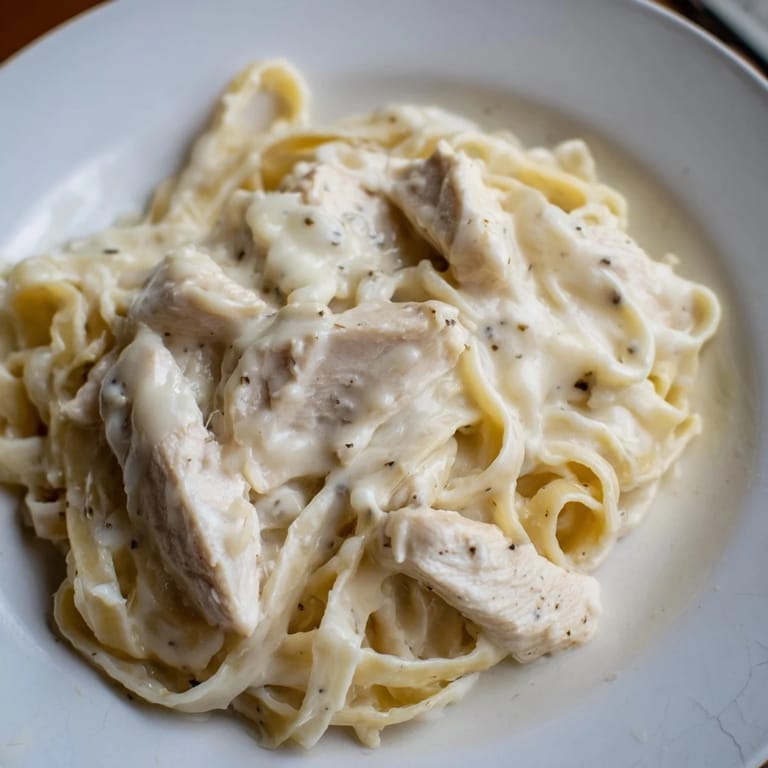
Save There was an evening when my friend's kid asked for seconds before finishing her first serving, and she asked why this tasted so much better than the boxed kind she usually made. I realized it wasn't anything fancy—just patience with the heat, real cheese, and cream that actually had flavor—and somehow that simple answer made the dish feel even more meaningful. It's the kind of meal that brings people together without trying too hard.
Why Fresh Ingredients Really Matter Here
I once tried to stretch this recipe by using week-old cream and pre-grated cheese, thinking it wouldn't make much difference, and the sauce broke into a watery, grainy mess that no amount of pasta water could save. The difference between a silky sauce and a disappointing one comes down to whether your dairy is fresh and your cheese is grated right before cooking. It sounds dramatic, but once you taste the difference, you'll understand why I'm so insistent about this.
Timing and Temperature Are Everything
The magic happens when you respect the gentle simmer rather than rushing the sauce with high heat—I've watched more Alfredo break because someone got impatient than for any other reason. Medium-high for the chicken, medium for building flavor, low for the cheese: each temperature has a job, and honoring that makes the difference between good and great.
Ways to Make It Your Own
While the base recipe is perfect as-is, I've played around enough times to know there's room for customization depending on what you have and what you're craving. The beauty of this skillet method is that it's forgiving enough to handle additions without falling apart.
- Sauté some mushrooms or fresh spinach in that skillet before adding the broth if you want more vegetables without extra complexity.
- A squeeze of fresh lemon juice at the very end brightens everything up and cuts through the richness beautifully.
- Pair it with a crisp white wine like Pinot Grigio, which somehow tastes even better when you're eating something this creamy.
 Save
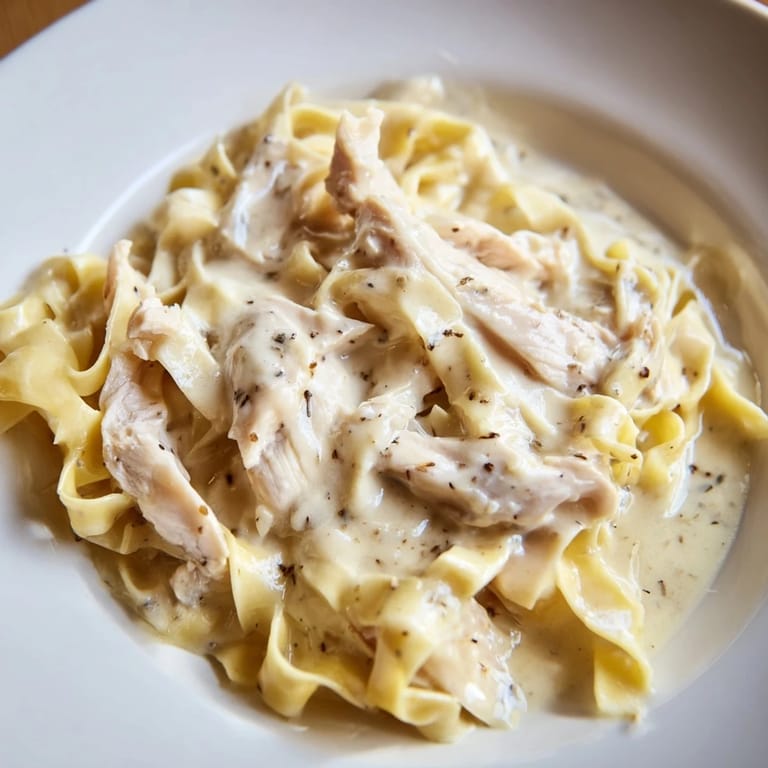
Save This is the kind of dish that reminds you why cooking at home matters, even when life is busy and takeout seems easier. Make it once, and you'll probably make it again.
Recipe Q&A
- → Can I use a different pasta shape?
Yes, any pasta works well. Fettuccine and penne are traditional choices, but linguine, tagliatelle, or even rigatoni pair beautifully with Alfredo sauce.
- → How do I prevent the sauce from breaking?
Keep heat on low when adding Parmesan and stir constantly. Add cheese gradually rather than all at once. Never let the sauce boil vigorously after cream is added.
- → What can I substitute for heavy cream?
Half-and-half creates a lighter version, though the sauce won't be quite as rich. Heavy cream alternatives like cashew cream also work for dairy-free adaptations.
- → Is it necessary to reserve pasta water?
Yes, starchy pasta water helps emulsify the sauce and creates a silky coating on the pasta. It's essential for achieving proper consistency.
- → Can I make this ahead of time?
This dish is best served immediately. Leftovers can be refrigerated for 2-3 days and gently reheated with additional cream or broth to restore the sauce consistency.
- → What wine pairs well with this dish?
Crisp white wines like Pinot Grigio, Sauvignon Blanc, or Vermentino complement the creamy sauce and chicken beautifully.