 Save
Save Last summer, my friend Maya showed up at my door with a tired smile and a full week of back-to-back meetings ahead of her. She'd packed nothing but frustration and a hope that I might have something light she could grab for lunch. That's when I started playing with cold noodles and whatever crisp vegetables I had lying around, and somehow we ended up with these chilled noodle cups that became her secret weapon. Now every time she texts me a photo of her lunch, there they are—those little containers she swears have saved her sanity.
I remember sitting in my kitchen on a Sunday afternoon with the windows open, watching the noodles steam in their pot while the smell of sesame oil drifted through the whole apartment. My roommate wandered in, peeked over my shoulder at the containers being assembled, and asked if I was starting a meal prep business. When he tried one two days later, he was genuinely shocked at how fresh and alive it still tasted—crisp vegetables, bright sauce, nothing soggy or forgotten tasting.
Ingredients
- Soba or rice noodles (200 g): Soba gives this an earthy, slightly nutty quality, but rice noodles work beautifully if that's what you have on hand and honestly feel lighter on a hot day.
- Soy sauce (3 tbsp): This is your salt and umami anchor, so don't skip it, and rinsing your cooked noodles removes just enough starch that the sauce clings better.
- Toasted sesame oil (2 tbsp): The toasted kind has way more personality than plain, and a little goes a long way since it's potent in the best way.
- Rice vinegar (1 tbsp): This adds brightness and cuts through the richness without being harsh, keeping everything balanced and fresh tasting.
- Honey or maple syrup (1 tsp): Just enough sweetness to round out the sauce and make it feel complete.
- Chili garlic sauce (1–2 tsp): Start with less and taste as you go, because this builds heat as it sits in the fridge.
- Cucumber, julienned (1 cup): The crunch matters here—it's what makes you actually want to eat this three days in a row.
- Carrots, julienned (2 medium): They stay firm and add natural sweetness and color that makes these cups feel deliberate and cared for.
- Green onions, thinly sliced (2): Fresh onion flavor saves this from tasting flat by day three, so don't leave them out.
- Toasted sesame seeds (2 tbsp): These add texture and nuttiness that makes each bite feel substantial.
- Fresh cilantro, chopped (1 tbsp optional): If you love cilantro, it's worth the tiny bit of prep; if you're one of those people it tastes like soap to, skip it without guilt.
Tired of Takeout? 🥡
Get 10 meals you can make faster than delivery arrives. Seriously.
One email. No spam. Unsubscribe anytime.
Instructions
- Boil and chill the noodles:
- Cook your noodles exactly as the package says, then drain and run them under cold water until they're completely cool—keep rinsing until the water runs clear, because that starch removal is what keeps them from clumping. Drain one more time and let them sit for a minute so they're not waterlogged.
- Make the sauce:
- Whisk soy sauce, sesame oil, rice vinegar, honey, and chili garlic sauce together in a small bowl until the honey dissolves, tasting as you go because everyone's heat tolerance is different. If it tastes too salty or too intense, you can dial it back now before the noodles commit to it.
- Layer into containers:
- Divide the cool noodles evenly among four containers—this is where meal prep actually gets meditative if you let it.
- Build your cups:
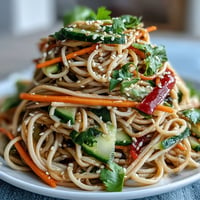
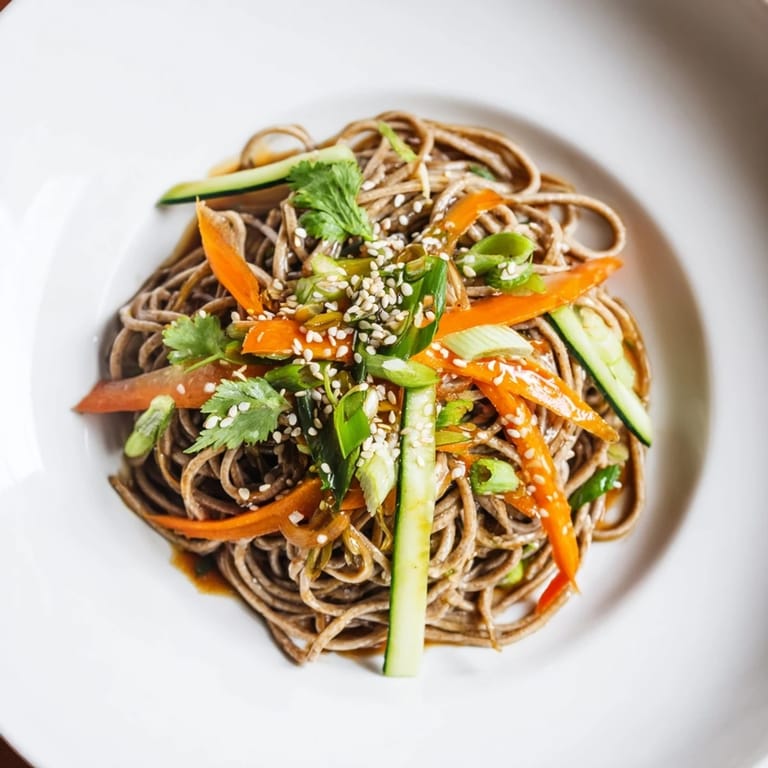
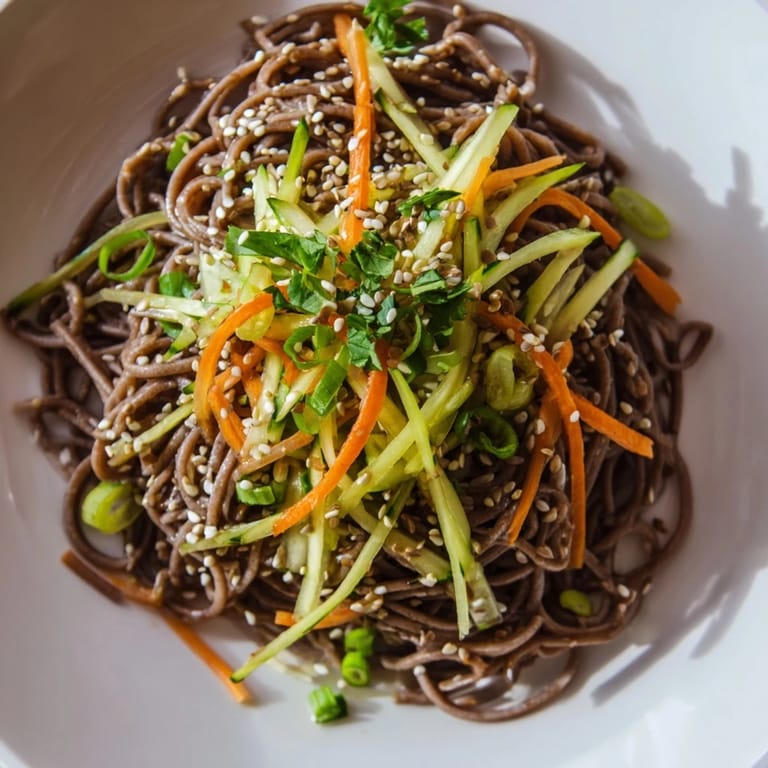
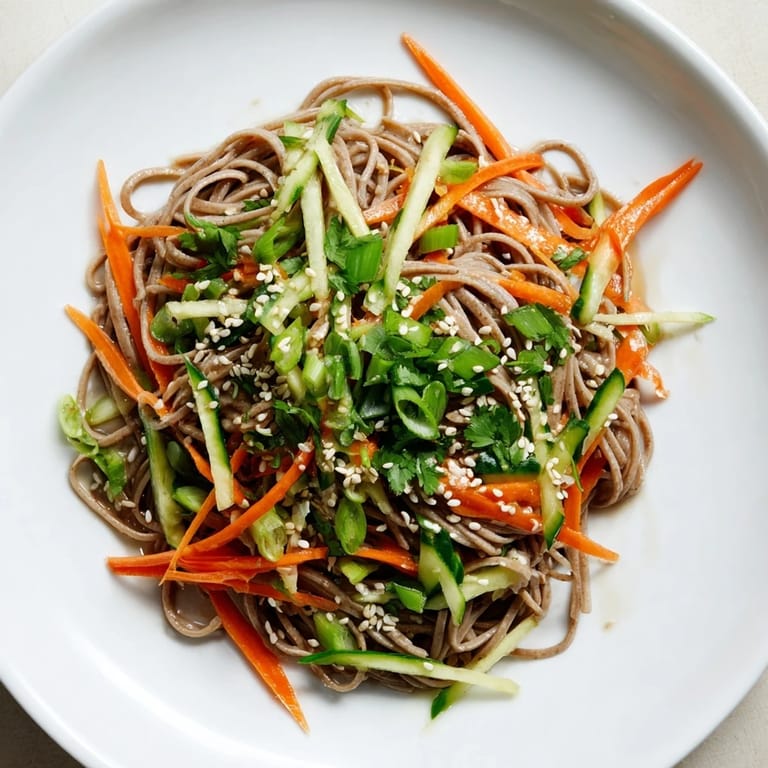
- Top each noodle portion with cucumber, carrot, and green onion in whatever amounts make you happy, keeping vegetables slightly separate so they don't all sink into the sauce. Drizzle sauce over everything evenly, but don't toss yet if you're storing these for later.
- Finish and store:
- Sprinkle sesame seeds and cilantro on top, seal the containers, and refrigerate until you're ready to eat—when you are, give it a gentle toss to make sure everything's coated.
 Save
Save There was this one Tuesday when I brought these to a work potluck expecting nobody to touch them because everyone was obsessed with the hot casseroles and pasta salads. By the end of lunch, my containers were empty and three different people had asked me to write down what was in them. It was such a small moment, but it made me realize that people are hungry for something that feels fresh and intentional, especially when it's been sitting in a fridge.
Making These Your Own
The beauty of these noodle cups is that they're basically a template waiting for whatever you actually want to eat. I've made them with shredded rotisserie chicken on a week when I needed the protein, with crispy tofu on another when I was exploring vegetarian cooking, and once with leftover edamame because that's all I had time to grab from the grocery store. Each version tasted completely different, and each one solved a different kind of hunger. The sauce stays the same, but everything else is permission to listen to what you actually need that week.
The Science of Staying Fresh
There's something about sesame oil and acid that keeps food tasting alive longer than you'd expect, which is the whole reason these hold up for three days without going sad and forgotten. The soy sauce acts as a preservative, the vinegar brightens everything so nothing tastes stale, and keeping the vegetables ever-so-slightly separate means they stay crisp instead of breaking down into the sauce. It's not magic, just small choices that add up to something that tastes like it was made today even when it wasn't.
Weeknight Shortcuts and Shortcuts That Actually Matter
You can buy pre-cut vegetables if julienning feels like too much friction on a Sunday, and honestly that's the kind of shortcut that gets meals actually prepped instead of forgotten. You can use store-bought minced garlic instead of chili garlic sauce if that's what you have, and adjust the soy sauce a tiny bit to compensate. What you shouldn't skip is the cold water rinse on the noodles and that moment of draining them really well, because that's where the difference between mushy and bouncy lives.
- Prep your vegetables while the noodles are cooking to actually save time.
- If you're doubling the recipe, make the sauce in the same ratio and taste it when it's done.
- Mason jars work great for these too if you don't have meal prep containers, though containers with flat bottoms make tossing easier.
 Save
Save These noodle cups have a way of turning a regular lunch into something you actually look forward to, which might be the whole point of cooking for yourself in the first place. Make a batch and let yourself be surprised by how much easier the week gets.
Recipe Q&A
- → What kind of noodles work best for this dish?
Dried soba noodles or rice noodles are ideal as they chill well and absorb the sauce flavors effectively.
- → Can I make this ahead of time?
Yes, these noodle cups keep well refrigerated for up to three days, making them perfect for meal prep.
- → How spicy is the chili garlic sauce?
The spiciness can be adjusted by adding 1 to 2 teaspoons of chili garlic sauce according to your preference.
- → Are there good protein additions for this meal?
For extra protein, cubed tofu, shredded chicken, or edamame can be added to the noodle cups.
- → Is this suitable for gluten-free diets?
Yes, by swapping regular noodles and soy sauce with gluten-free tamari and noodles, this dish can suit gluten-free needs.