 Save
Save My hands were shaking the first time I piped buttercream onto a sheet cake for a real event—a Communion party where everything had to be perfect. The baker I'd been learning from had called in sick that week, and somehow I became the emergency dessert person. What started as panic turned into this beautiful, moist sheet cake draped in pearl fondant, and watching those kids' faces light up when they saw it made every nervous moment worth it.
I made this cake for a small neighborhood gathering last spring, and someone brought their elderly grandmother who'd been a pastry chef in Poland. She took one bite, closed her eyes, and told me the crumb reminded her of something her mother made—which was basically the highest compliment I could receive. It's moments like that when you realize a good cake recipe is really about creating space for memories.
Ingredients
- All-purpose flour (3 cups): Measure by spooning into your measuring cup and leveling off—scooping directly from the bag packs it too tight and throws off the texture.
- Baking powder (2 ½ tsp): Check the date on your tin; old baking powder loses its lift and your cake won't rise properly.
- Salt (½ tsp): Enhances sweetness and deepens the vanilla flavor in ways most people don't expect.
- Granulated sugar (2 cups): This is your structure; don't skip or reduce it.
- Unsalted butter (1 cup plus 1 cup for buttercream): Room temperature is non-negotiable—cold butter won't cream properly and you'll end up with a dense cake.
- Eggs (4 large, room temperature): Room temperature eggs incorporate more smoothly, creating a lighter crumb; pull them out 20 minutes before mixing.
- Pure vanilla extract (1 tbsp plus 1 tsp): Imitation extract will make the cake taste chemically sweet, so this is where pure matters.
- Whole milk (1 ¼ cups): The liquid that keeps this cake incredibly tender; don't substitute with water.
- Powdered sugar for buttercream (4 cups, sifted): Sifting removes lumps and makes your frosting silky instead of grainy.
- White ready-to-roll fondant (2 lbs): Buy from a baking supply store where it's fresh; grocery store fondant sometimes cracks more easily.
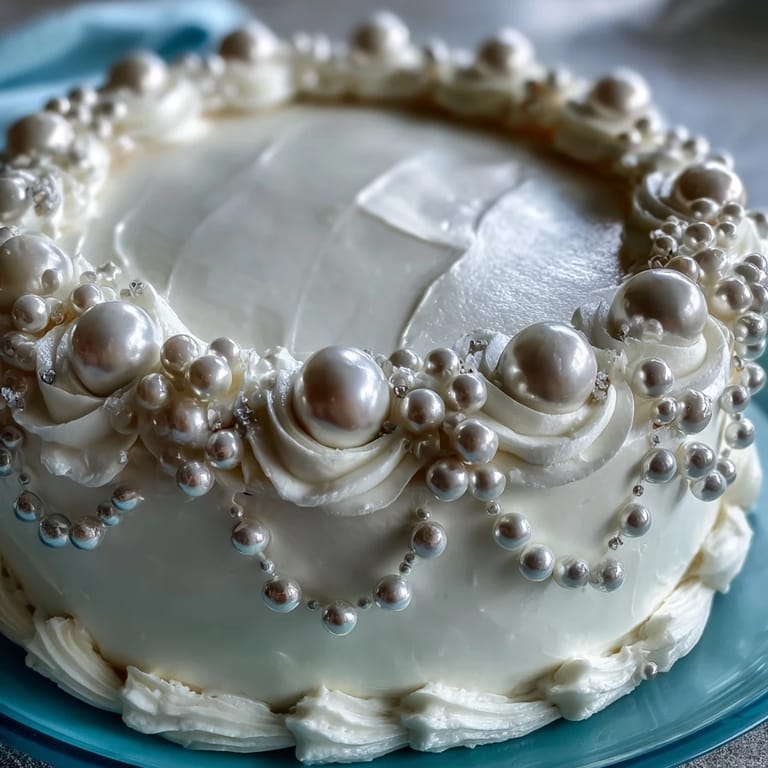
- Pearl luster dust: This is what gives the elegant, shimmering finish that makes people think you're a professional.
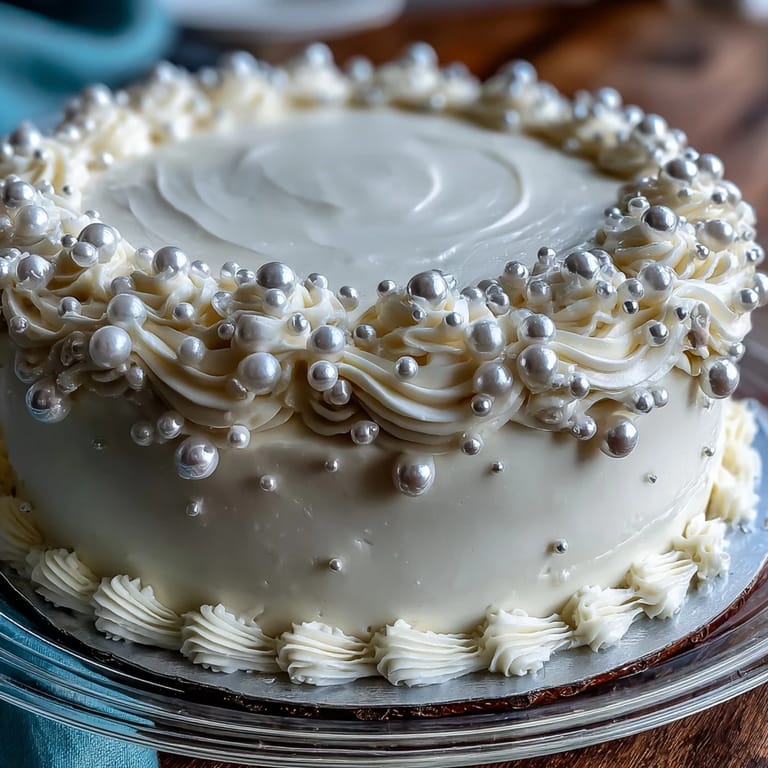
- Edible pearls or sugar pearls: Optional but they elevate the whole celebration vibe; arrange them in a cross or chalice pattern for Communion symbolism.
Tired of Takeout? 🥡
Get 10 meals you can make faster than delivery arrives. Seriously.
One email. No spam. Unsubscribe anytime.
Instructions
- Prep your workspace:
- Preheat the oven to 350°F and grease that 12x18-inch pan really well—get into all the corners. Lining it with parchment saves your life when you're turning out a sheet cake.
- Build your dry ingredients:
- Whisk flour, baking powder, and salt together in a medium bowl; this distributes the leavening evenly so you don't get flat spots. Set it aside and keep your hands out of it until you need it.
- Cream the base:
- Beat butter and sugar together until it's pale and fluffy, about 3 minutes; this creates air pockets that make the cake light. You'll know it's ready when it looks like fluffy clouds.
- Add your eggs carefully:
- Add one egg at a time, waiting for each one to disappear into the mixture before adding the next; rushing this means you'll have little scrambled-looking bits throughout your batter. Once all four are in, pour in vanilla and mix until combined.
- Alternate wet and dry:
- Start with some flour mixture, then milk, then flour again, ending on flour; this keeps the batter from becoming too thin and loose. Mix just until you see no white streaks—overmixing develops gluten and makes the cake tough.
- Bake with confidence:
- Pour batter into your pan and smooth the top so it bakes evenly. Bake 30 to 35 minutes, until a toothpick in the center comes out clean or with just a few moist crumbs.
- Cool strategically:
- Let it sit in the pan for 10 minutes so it sets just enough to turn out, then flip it onto a wire rack and let it cool completely—this takes about an hour and you cannot skip this step if you want to frost it. A warm cake will melt your buttercream.
- Make your buttercream:
- Beat softened butter until creamy, then gradually add sifted powdered sugar so you don't create a dust cloud; mix in milk, vanilla, and salt until it's smooth and spreadable. This thin layer helps the fondant stick to your cake.
- Spread and smooth:
- Once the cake is completely cool, apply a thin, even layer of buttercream to the entire surface, including the sides; use an offset spatula and don't be shy with it. This creates the canvas for your fondant.
- Roll the fondant:
- Dust your work surface lightly with powdered sugar and roll the fondant out to about 1/8-inch thick, rotating as you go to keep it from sticking. If it tears, you can patch it—that's what the pearl dust is for.
- Drape with intention:
- Carefully lift the fondant and drape it over the cake, then smooth it with your hands or a fondant smoother, working from the center outward. This is meditative; take your time and don't rush.
- Trim and embellish:
- Trim the excess fondant from around the bottom with a sharp knife. Brush light spots with water and adhere your edible pearls, creating a meaningful pattern like a cross or chalice.
- Dust for shimmer:
- Using a dry, clean food-safe brush, dust the pearl luster dust across the surface in sweeping motions; a little goes a long way. If you want extra shine, brush lightly with a mixture of corn syrup and water, but this is optional.
- Let it set:
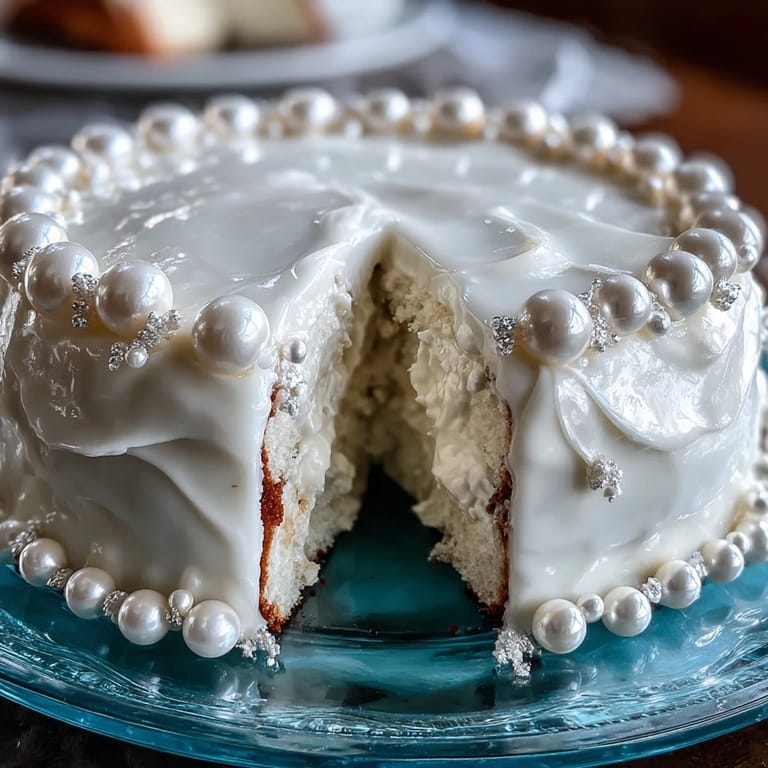
- Give the cake 30 minutes to set before you cut and serve it; this helps the fondant firm up and prevents smudging. Yes, you can be tempted to cut into it immediately, but patience pays off here.
 Save
Save There's something about a cake that's meant to mark a milestone in someone's life—it stops being just dessert and becomes part of their story. This one sits at the table during a celebration of faith and growth, and that weight matters.
Making Fondant Your Friend
The first time I worked with fondant, I was convinced it was impossible. It cracked, it stuck to everything, and it refused to look smooth. What changed was understanding that fondant is actually forgiving—tears can be smoothed away, and pearl dust can hide imperfections beautifully. The secret is working in a reasonably cool, dry kitchen and keeping your hands lightly dusted with powdered sugar so it doesn't stick to your skin.
Timing and Planning Ahead
This cake actually gets better when you bake it the day before decorating. The crumb sets, it's easier to frost without warm cake melting the frosting, and you can spend your celebration day focusing on the fondant and decorations instead of rushing through every step. Wrap the cooled, unfrosted cake tightly in plastic wrap and keep it at room temperature—it stays moist and fresh.
Serving and Celebrating Properly
Slice this cake with a sharp knife that you've dipped in warm water and wiped clean between cuts—it sounds fussy, but it keeps the fondant from cracking and the presentation stays clean and elegant. Fresh berries on the side brighten each plate, and if you're serving adults, a light Moscato or Riesling pairs beautifully with the vanilla and buttery crumb.
- Let the cake sit out for 15 minutes if it's been refrigerated, so the cake is at its most tender and the flavors come through.
- Edible pearls and decorations can be arranged the morning of the event if you keep the finished cake in a cool, dry place—no fridge, as condensation damages fondant.
- Leftover cake keeps for three days covered at room temperature, and honestly, it's somehow even better on day two.
 Save
Save Baking this cake means you're creating something beautiful for a moment that matters. Trust the recipe, trust yourself, and remember that the people eating it will taste the care you put in, not the tiny imperfections only you can see.
Recipe Q&A
- → What type of flour is best for the cake?
All-purpose flour provides a balanced texture, giving the cake a tender crumb without being too dense.
- → How do I prevent the fondant from cracking?
Ensure the cake is completely cool and covered evenly with a smooth layer of buttercream before applying fondant to help it adhere and prevent cracking.
- → Can I add flavor variations to the cake?
Yes, substituting almond extract for half the vanilla impart a lighter, nuttier flavor without altering texture.
- → How should I store the cake after decorating?
Keep the decorated cake in a cool, dry place, covered gently to protect the fondant, ideally consumed within a day for optimal freshness.
- → What are good accompaniments to serve with this cake?
Fresh berries or a bright fruit coulis complement the cake's sweetness and add refreshing contrast.