 Save
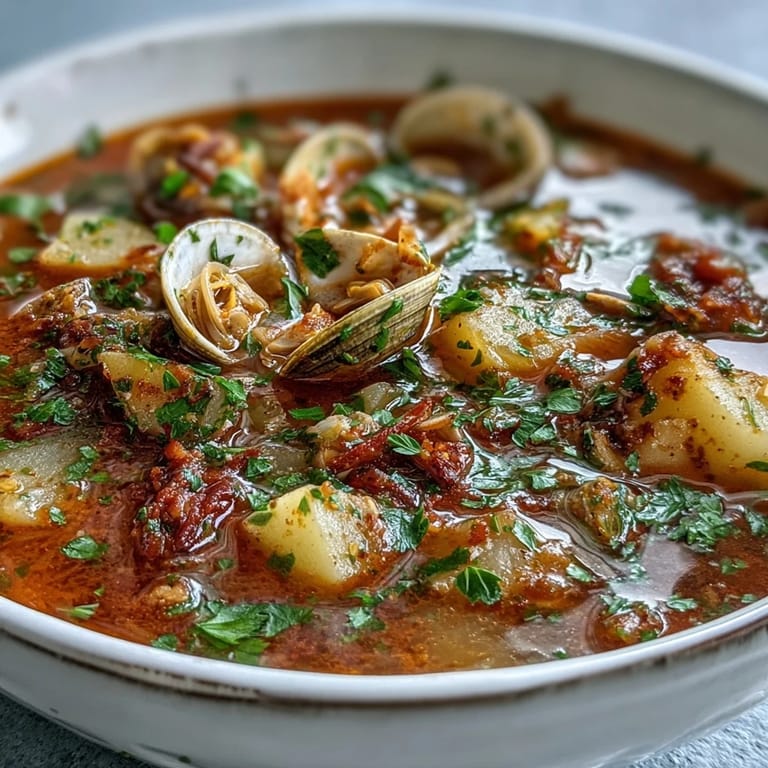
Save The smell of clams and tomatoes simmering together hit me the moment I walked into my neighbor's kitchen one cold January afternoon. She was stirring a pot of something red and briny, so different from the creamy chowders I grew up with. One spoonful and I was hooked—bright, savory, and somehow more honest than anything I'd tasted before. I went home that night determined to recreate it, armed with a scribbled list of ingredients on the back of a grocery receipt.
I made this for my brother when he visited from Portland, convinced he'd miss his beloved New England clam chowder. He finished two bowls without a word, then looked up and said it reminded him of summers on Long Island before we moved west. Turns out, this version had been hiding in his memory all along, just waiting for the right pot to bring it back.
Ingredients
- Fresh clams or canned chopped clams: Fresh clams give you that sweet, briny punch and their own flavorful liquid, but canned clams are a lifesaver on busy nights and taste surprisingly good if you drain them well.
- Clam juice: This is your flavor foundation, so don't skimp—use the liquid from steaming fresh clams and top it off with a good bottled brand.
- Diced tomatoes with juice: The acidity cuts through the richness and gives the chowder its signature red hue, plus the juice adds body to the broth.
- Olive oil: A fruity olive oil makes a difference here, coating the vegetables and adding a subtle richness without any dairy.
- Onion, celery, carrots, and green bell pepper: These four create the aromatic base that holds everything together, softening into sweet, savory bites.
- Yukon gold potatoes: They hold their shape better than russets and add a buttery texture that balances the acidity of the tomatoes.
- Garlic: Just enough to wake up the pot without overpowering the delicate clam flavor.
- Dried thyme and oregano: These herbs bring an earthy, slightly floral note that feels like coastal herbs growing wild near the shore.
- Crushed red pepper flakes: Optional, but a pinch adds warmth and complexity that sneaks up on you.
- Bay leaves: They lend a woodsy depth that you don't notice until you forget to add them one time.
- Fresh parsley: A handful of brightness right before serving makes the whole bowl come alive.
Tired of Takeout? 🥡
Get 10 meals you can make faster than delivery arrives. Seriously.
One email. No spam. Unsubscribe anytime.
Instructions
- Prep the Clams:
- If using fresh clams, scrub them under cold water to remove any sand, then steam them in a covered pot with a cup of water until they pop open, about 5 to 7 minutes. Pull the meat out, chop it up, and strain that precious cooking liquid through a fine mesh to catch any grit.
- Build the Base:
- Heat olive oil in a large pot over medium heat and toss in the onion, celery, carrots, and bell pepper, stirring occasionally until they soften and start to smell sweet, around 6 to 8 minutes. Add the garlic and let it sizzle for a minute until your kitchen smells like an Italian grandmother's house.
- Add the Liquids and Potatoes:
- Stir in the diced potatoes, tomatoes with their juice, clam juice, reserved clam liquid, thyme, oregano, bay leaves, red pepper flakes, salt, and black pepper. Bring everything to a rolling boil, then dial it back to a gentle simmer and let it bubble away uncovered for 20 to 25 minutes until the potatoes are fork-tender.
- Finish with Clams:
- Gently fold in the chopped clams and let them warm through for 3 to 5 minutes—any longer and they'll turn rubbery. Taste the broth, adjust the salt and pepper, and fish out those bay leaves before anyone bites into one.
- Serve Hot:
- Ladle the chowder into wide bowls, scatter fresh parsley over the top, and serve it steaming hot with crackers or crusty bread on the side.
 Save
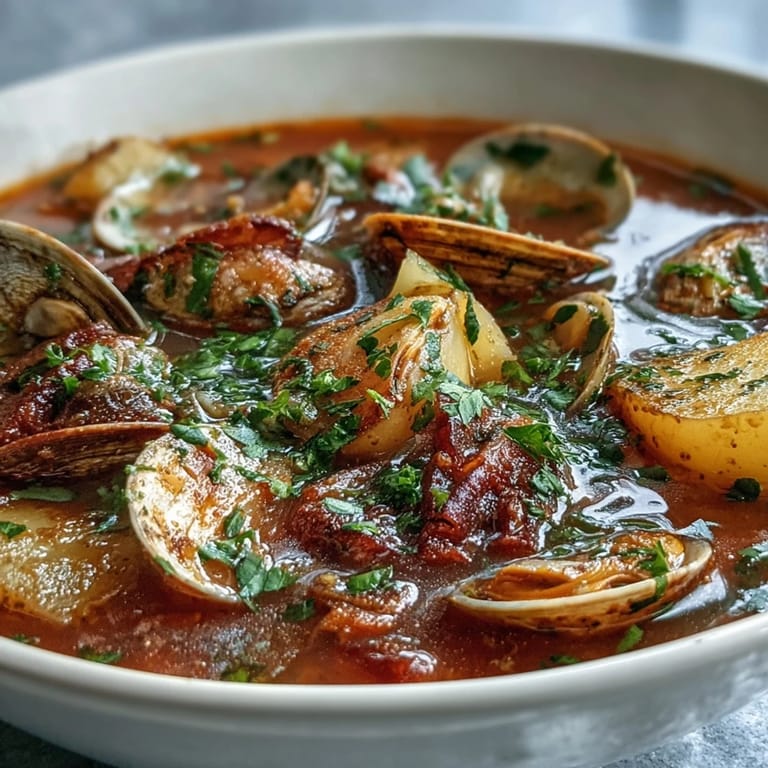
Save There was a rainy Sunday last March when I made a double batch of this and invited a few friends over without much fanfare. We ended up sitting around the table for three hours, mopping up every drop with bread and talking about nothing in particular. That's when I realized this chowder wasn't just soup—it was the kind of thing that made people linger.
Choosing Your Clams
Fresh littleneck clams are my favorite because they're sweet and tender, but cherrystones work too if you chop them a bit finer. If you're going the canned route, look for chopped clams packed in juice rather than water, and save that juice to add to your broth. I've made this both ways more times than I can count, and while fresh clams give you that extra layer of flavor, canned clams on a Tuesday night still deliver a bowl worth coming home to.
Making It Your Own
Some people swear by adding diced bacon at the start for a smoky undertone, and I won't argue—it's delicious. I've also stirred in a handful of corn kernels during the last few minutes of cooking when summer sweet corn is around, and it adds a pop of sweetness that plays beautifully with the tomatoes. If you want more heat, double the red pepper flakes or add a dash of hot sauce when you serve it.
Storing and Reheating
This chowder keeps well in the fridge for up to three days and tastes even better the next day once the flavors have melded. Reheat it gently over low heat, stirring often so the clams don't toughen up. I don't recommend freezing it because the potatoes can get grainy and the clams lose their texture, but if you must, freeze just the broth and vegetables, then add fresh or canned clams when you reheat.
- Store in an airtight container and cool it completely before refrigerating.
- Reheat only what you plan to eat to keep the clams from overcooking.
- Add a splash of clam juice or water if it thickens too much in the fridge.
 Save
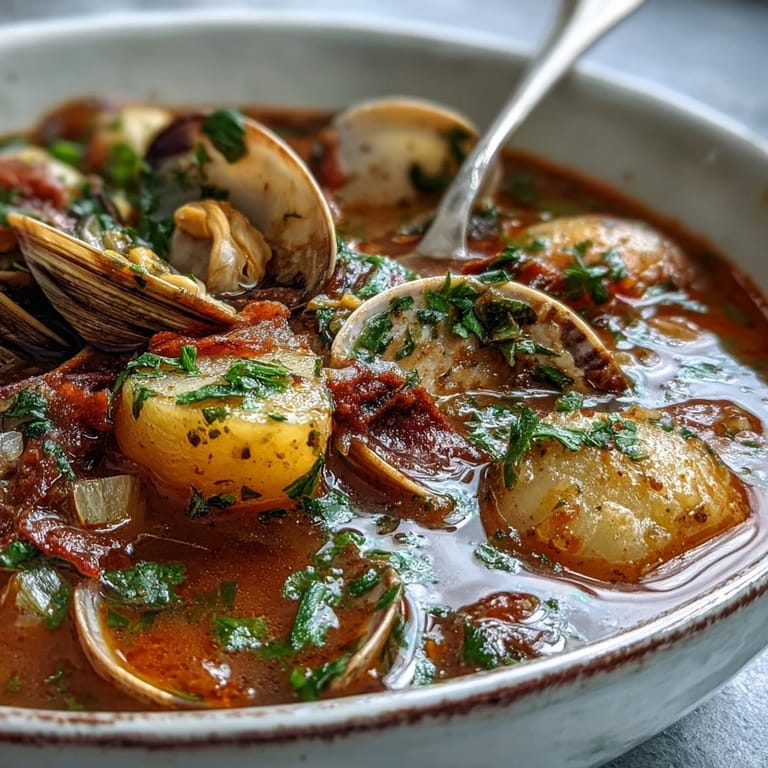
Save This chowder has a way of turning an ordinary evening into something you remember, whether you're eating it alone with a book or serving it to a table full of people. I hope it finds a spot in your regular rotation the way it has in mine.
Recipe Q&A
- → Can I use canned clams instead of fresh?
Yes, you can substitute 3 cups of canned chopped clams for fresh. Be sure to reserve and use the juice from the can as part of your liquid base for maximum flavor.
- → What's the difference between Manhattan and New England clam chowder?
Manhattan clam chowder uses a tomato-based broth, while New England style features a creamy, milk-based broth. Manhattan is lighter and tangier, with a vibrant red color from the tomatoes.
- → How do I know when fresh clams are properly cooked?
Fresh clams are done when their shells open during steaming, typically after 5–7 minutes. Discard any clams that remain closed, as they may not be safe to eat.
- → Can I make this chowder ahead of time?
Yes, this chowder stores well in the refrigerator for up to 3 days. The flavors actually deepen over time. Reheat gently on the stovetop, adding a splash of clam juice or water if needed.
- → What type of potatoes work best?
Yukon gold potatoes are ideal because they hold their shape well during cooking and add a buttery flavor. You can also use red potatoes for a firmer texture.
- → How can I make this chowder spicier?
Increase the crushed red pepper flakes to 1 teaspoon, or add a diced jalapeño pepper when sautéing the vegetables for extra heat and depth.