 Save
Save The first time I ate saganaki was at a small taverna in Athens, where the chef literally shouted "Saganaki!" as he flambéed the cheese tableside. I was mesmerized by the sizzle and the sudden golden crust that formed. Years later, I finally understood the magic wasn't in the theatrics—it was in that precise moment when the outside turns crispy while the inside stays soft and warm. Now I make it at home constantly, and that same moment of anticipation never gets old.
I served this to my neighbor last summer when she brought over homemade wine from her vineyard. She took one bite and closed her eyes—that kind of satisfied, quiet moment that says everything. We ended up making three more batches that evening, standing by the stove with our glasses, laughing about how something so simple could be so impressive.
Ingredients
- Firm Greek cheese (kasseri, kefalotyri, or halloumi), sliced into 1 cm thick pieces: This is where everything matters—soft cheese will melt into a puddle, so stick to firm varieties that hold their shape under heat. I learned this the hard way with feta.
- All-purpose flour (or gluten-free flour): The flour creates that delicate golden crust that makes the whole dish work, so don't skip it even though the amount seems small.
- Olive oil: Use good quality olive oil; it's one of only three ingredients, so it deserves attention.
- Lemon, cut into wedges: Fresh lemon is essential—bottled juice tastes sour rather than bright when it hits the hot cheese.
- Dried oregano and freshly ground black pepper: These simple seasonings let the cheese shine without competing for attention.
Tired of Takeout? 🥡
Get 10 meals you can make faster than delivery arrives. Seriously.
One email. No spam. Unsubscribe anytime.
Instructions
- Pat your cheese completely dry:
- Moisture is the enemy of crispness, so take a moment to blot each slice thoroughly with paper towels. This step determines whether you get a crust or a soggy exterior.
- Coat lightly in flour:
- Dredge each piece and shake off the excess—you want a whisper of flour, not a heavy coating that turns pasty when the cheese starts to melt.
- Heat your oil until it shimmers:
- The pan should be hot enough that the cheese sizzles immediately when it hits, but not so hot that it browns before the inside warms through. Medium-high heat is your sweet spot.
- Fry until golden on both sides:
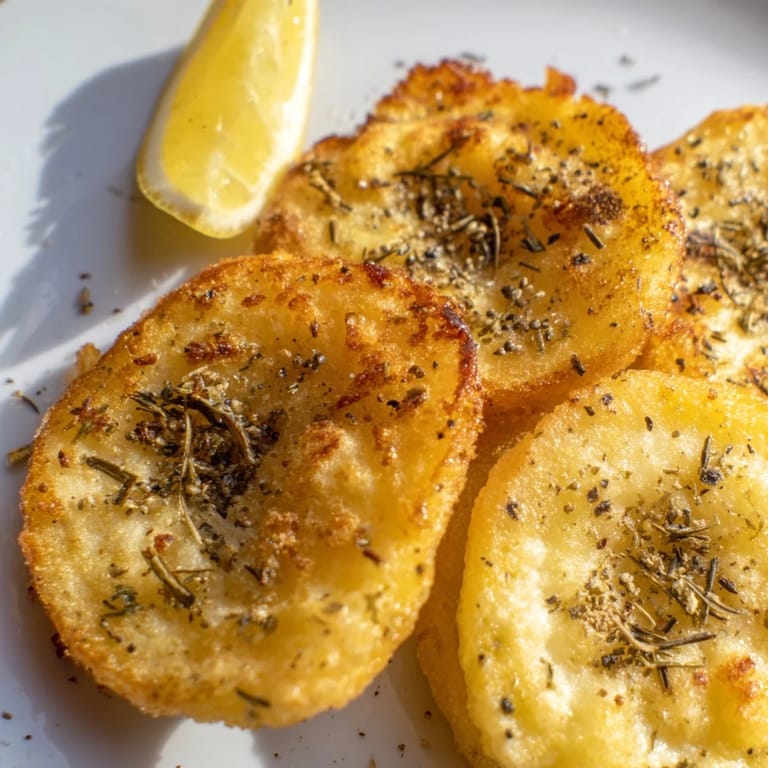
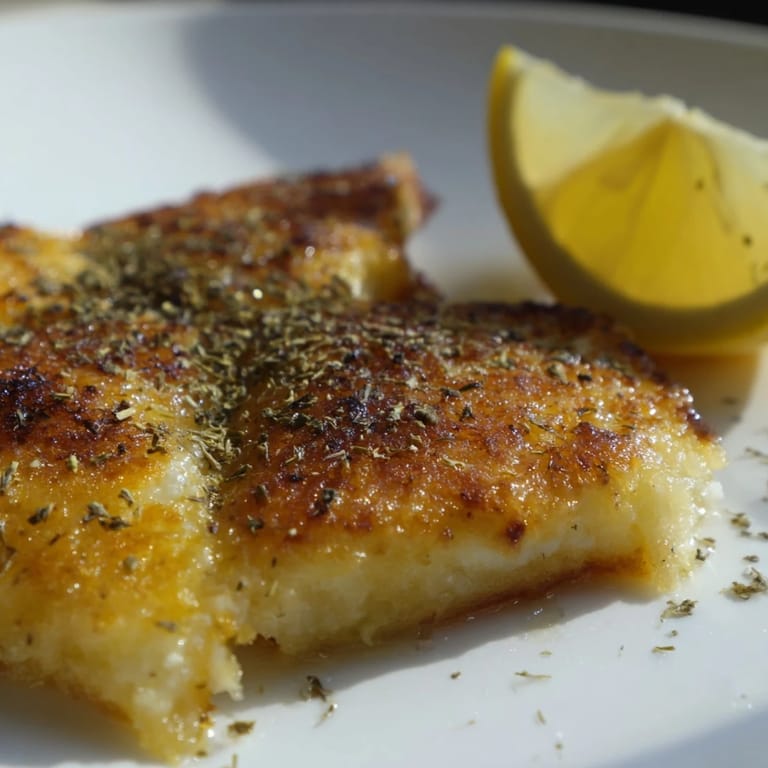
- Watch for that beautiful amber color, which usually takes 1–2 minutes per side. The cheese will feel firm but give slightly when you press it gently.
- Drain and season:
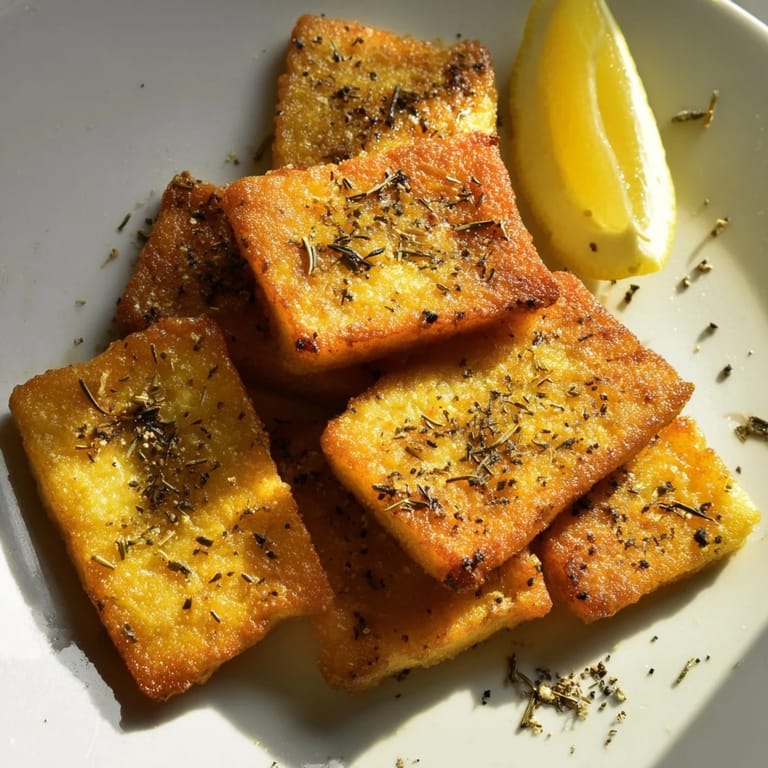
- A quick rest on paper towels removes excess oil, then a sprinkle of oregano and pepper while it's still hot allows the flavors to meld into the warm cheese.
- Serve immediately with lemon:
- This is not optional—saganaki loses its magic as it cools, and the lemon's brightness is what makes each bite sing.
 Save
Save My daughter, who was picky about cheese, surprised me one night by eating four pieces of saganaki without complaint. I realized then that sometimes the thing children resist isn't the ingredient—it's the ordinary way it's been served. Making it crispy and hot and letting them squeeze their own lemon made it feel like adventure instead of obligation.
Cheese Selection Matters
Kasseri and kefalotyri are the traditional Greek choices, with firm interiors that develop that perfect crust while maintaining a creamy center. If you can't find those, halloumi works beautifully because it has an even higher melting point, making it almost foolproof. I've also used graviera in a pinch, and it's delicious. The common thread is that all of these cheeses are firm enough to slice and stay together during frying, unlike softer varieties that would collapse into the oil.
The Perfect Serving Moment
Timing is everything with saganaki because it's best eaten within seconds of leaving the pan—that's when the contrast between the crispy outside and warm, soft inside is most pronounced. I always have my serving plate and lemon wedges ready before I even start frying, so there's no scrambling once the cheese comes out of the oil. A squeeze of fresh lemon and a small sprinkle of oregano is all the embellishment this dish needs, letting the quality of the cheese and the technique shine through.
- Serve this as part of a mezze platter with olives, bread, and other small bites to create a proper Greek feast.
- Pair it with a crisp white wine like Assyrtiko, which cuts through the richness perfectly.
- If you're gluten-free, swap in gluten-free flour without hesitation—the crust will be just as golden and delicious.
 Save
Save This recipe taught me that sometimes the most memorable dishes are the simplest ones, requiring only good ingredients and attention in the moment. Every time I make saganaki, it feels like a small celebration of how straightforward cooking can be when you stop overthinking it.
Recipe Q&A
- → What cheeses are best for saganaki?
Traditionally kasseri or kefalotyri are used; halloumi or graviera are good alternatives that hold shape well when fried.
- → How do you get saganaki crispy without sticking?
Pat cheese dry and dust with flour before frying in a medium-high heated non-stick skillet with olive oil.
- → Can saganaki be made gluten-free?
Yes, substitute all-purpose flour with gluten-free flour for coating before frying.
- → What is the best way to serve saganaki?
Serve immediately after frying with lemon wedges to squeeze over and a sprinkle of dried oregano and black pepper.
- → What wines pair well with saganaki?
Crisp white wines like Assyrtiko complement the salty, rich flavors of saganaki beautifully.