 Save
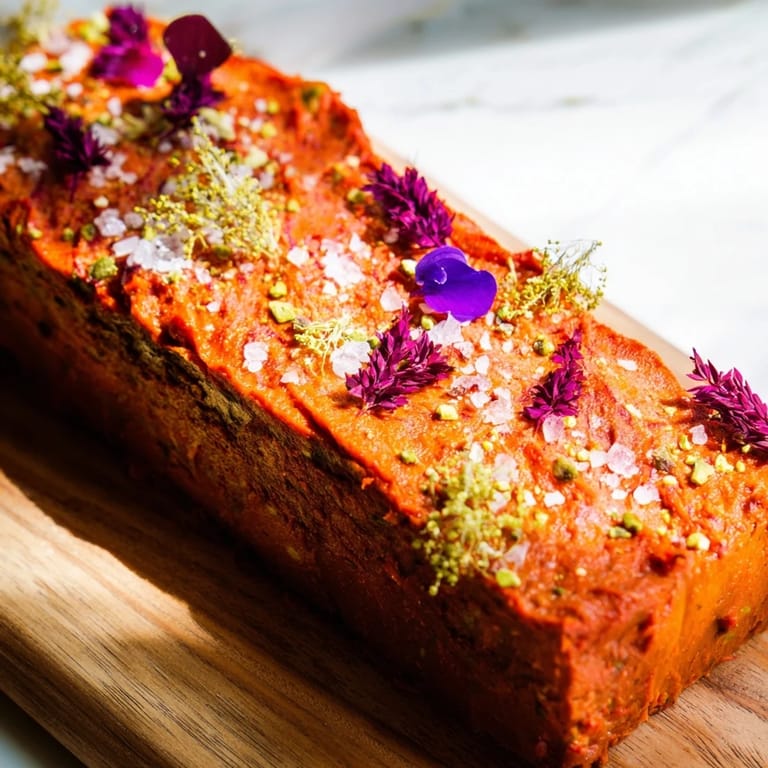
Save I discovered the power of a single bold line on a plate during a late-night kitchen experiment when I was tired of fussy presentations and wanted something that felt both effortless and stunning. The Modernist Stripe came to life when I stopped overthinking plating and instead focused on letting color speak for itself—three purées stacked and layered into one confident stroke across a bare board. It felt rebellious, honestly, abandoning the usual circles and spirals for something so deliberately minimal. That night, watching friends lean in to examine it before tasting, I realized sometimes the most striking dishes are the simplest to execute.
I made this for my sister's book club last spring, and the moment of quiet when everyone stopped talking to stare at the board told me I'd stumbled onto something. She later admitted she almost felt too guilty to eat it, which I took as the highest compliment a home cook can receive.
Ingredients
- Roasted Beets: The earthiness deepens under heat, and their natural sweetness anchors the whole composition—choose medium ones for even cooking.
- Fresh Ginger: A whisper of warmth that prevents the carrot from being one-note; grate it finely so it dissolves into silk.
- Ripe Avocado: This must be perfectly ripe—check by the gentle yield when you hold it, not by color alone.
- Greek Yogurt: Adds body and tanginess without overwhelming the vegetables; plant-based yogurt works but use a thicker variety.
- Lime Juice: Brightens the avocado and stops it from browning if you're prepping slightly ahead.
- Microgreens and Edible Flowers: These aren't garnish—they're texture and a final sensory moment that makes people pause before eating.
- Crushed Pistachios: The crunch matters; it's your defense against the softness of every element below.
- Flaky Sea Salt: Use good salt here because it's one of the few visible seasonings; it catches the light and tastes alive on the tongue.
Tired of Takeout? 🥡
Get 10 meals you can make faster than delivery arrives. Seriously.
One email. No spam. Unsubscribe anytime.
Instructions
- Roast the Foundation:
- Toss your diced beets with olive oil and sea salt, then spread them across a tray in a single layer. Into a 400°F oven they go for 30 to 35 minutes until a fork slides through them like butter—this caramelizes their natural sugars and turns them almost meaty.
- Steam Your Carrots in Parallel:
- While the beets roast, get carrots into simmering water or steam, checking at 15 minutes; they need to be so soft that a spoon breaks them apart. This matters because any resistance will resist your blender, leaving gritty streaks.
- Blend the Beets into Silk:
- Cool beets slightly, then blend them with lemon juice until completely smooth, adding water one tablespoon at a time if needed. The moment it stops being chunky and becomes glossy, stop—overblending makes it gluey.
- Create the Carrot Layer:
- Combine cooked carrots, grated ginger, butter, and salt in your food processor and blend until it's silky and warm from friction. Taste for ginger intensity; you want it felt, not shouted.
- Make the Avocado Cream:
- Scoop ripe avocado into a bowl and mash it with yogurt, lime juice, and salt until it reaches the texture of soft frosting. Transfer this immediately into a piping bag or squeeze bottle so you can control where it lands.
- Build the Stripe:
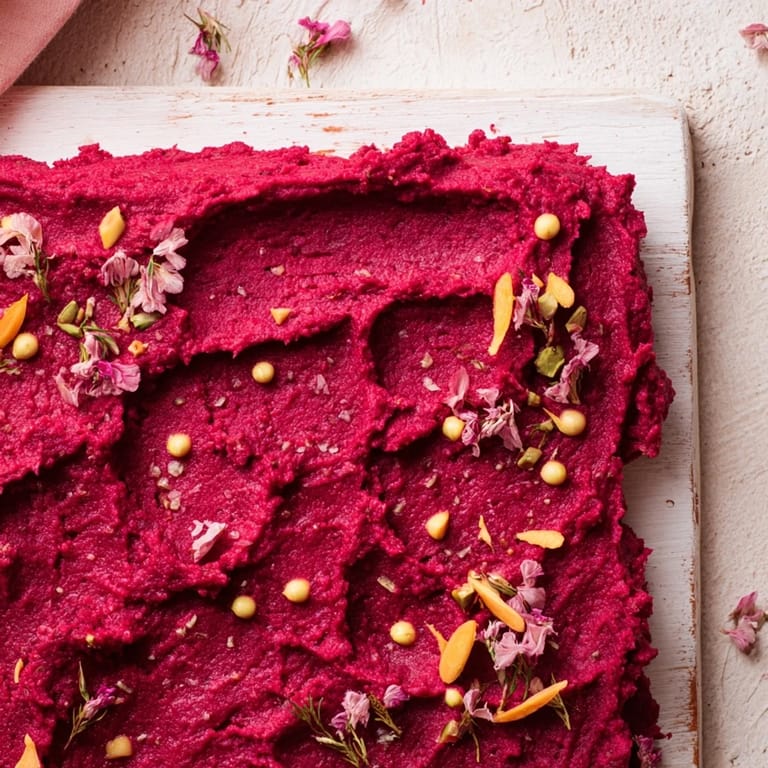
- On your cleanest, emptiest board, use a wide offset spatula or the back of a large spoon to create one commanding line of beet purée down the center—about three inches wide and as long as you dare. Steady your hand and commit to the stroke.
- Layer With Intention:
- Pipe or spread the carrot purée along the beet stripe in either a continuous line or artistic dashes, then add the avocado cream in a contrasting pattern—dots, dashes, or a careful line creates visual rhythm.
- Crown It:
- Scatter microgreens across the top, tuck edible flowers into gaps, crush pistachios over everything, and finish with a pinch of flaky sea salt. Step back and look before anyone comes near it.
- Serve and Watch:
- Bring it to the table as is and encourage people to scoop directly from the stripe with their spoon—this casual finality makes it feel less precious and more like an experience.
 Save
Save This dish stopped being just food the moment my mother looked at it and said it was too beautiful to eat, then immediately changed her mind because she realized that was the whole point. It taught me that restraint and boldness aren't opposites—they're the same thing, depending on how you look at it.
The Philosophy of Minimalism on a Plate
Modernist cooking stripped away the pretense I'd been carrying in the kitchen for years—all those swooshes and towers and fussy arrangements that took longer to make than to eat. The beauty of this stripe is that it works precisely because it refuses to distract from what it is: vegetables, cooked well and presented honestly. I learned that confidence in plating comes not from complexity but from clarity of vision. When you know exactly what you want to say with a plate, every element falls into place, and nothing feels like excess.
Playing With Color and Texture
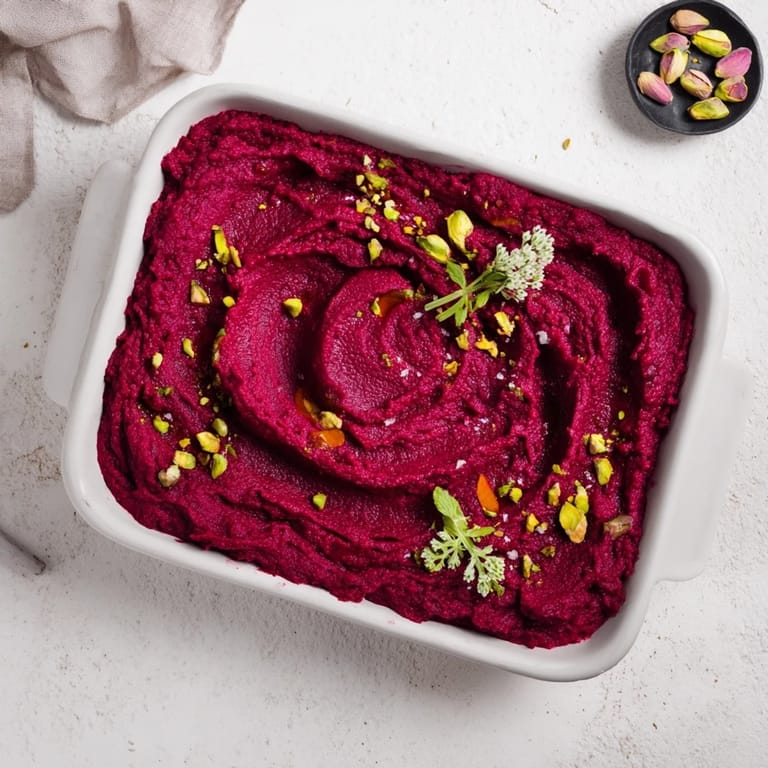
The three purées represent a conversation between earth, warmth, and brightness—beet speaks in deep burgundy, carrot glows golden, and avocado whispers in pale green. What surprised me was how much the garnishes matter; without the crisp greens and the crunch of pistachios, the plate reads as soft and almost monotonous, but add them and suddenly there's dialogue happening. The edible flowers aren't decoration—they're punctuation marks that say you've thought about this, that you care about the moment someone puts it in their mouth.
Variations and Seasonality
Once you understand the framework, you can build endless versions based on what's in season and what speaks to you in that moment. I've made autumn stripes with roasted sweet potato, spring versions with pea purée, summer interpretations with charred yellow squash—the technique stays the same, but the story changes with every season.
- Try roasted chickpeas or crispy breadcrumbs tossed with herbs for an unexpected textural layer that's less precious than pistachios.
- Pickled onions or pickled red cabbage add acid and brightness if you want to cut through the richness of the yogurt and avocado.
- A drizzle of good vinaigrette or herb oil around the stripe (not on it) creates visual interest without overwhelming the delicate purées.
 Save
Save This stripe taught me that sometimes the most powerful thing you can do in the kitchen is choose what to leave out, not what to pile on. It's a dish that whispers instead of shouts, and somehow that makes people listen more closely.
Recipe Q&A
- → What vegetables are used in this dish?
Roasted beets, steamed carrots with ginger, and ripe avocado form the core layers providing vibrant colors and balanced flavors.
- → How is the avocado prepared for the creamy layer?
The avocado is mashed with Greek or coconut yogurt, lime juice, and salt until smooth and silky, then piped onto the plate.
- → What garnishes enhance the dish's presentation and texture?
Microgreens, edible flowers, crushed pistachios, and flaky sea salt add freshness, crunch, and visual contrast.
- → Can this dish accommodate dietary restrictions?
Yes, dairy components have plant-based alternatives, and pistachios can be omitted to suit allergies or preferences.
- → What makes the plating technique unique?
A bold stripe of purées is spread neatly across a clean board, layered and dotted to create a dramatic and minimalist visual impact.
- → How long does preparation and cooking take?
Preparation requires about 30 minutes, with 45 minutes cooking, totaling approximately 1 hour and 15 minutes.